We are a history-making organization.
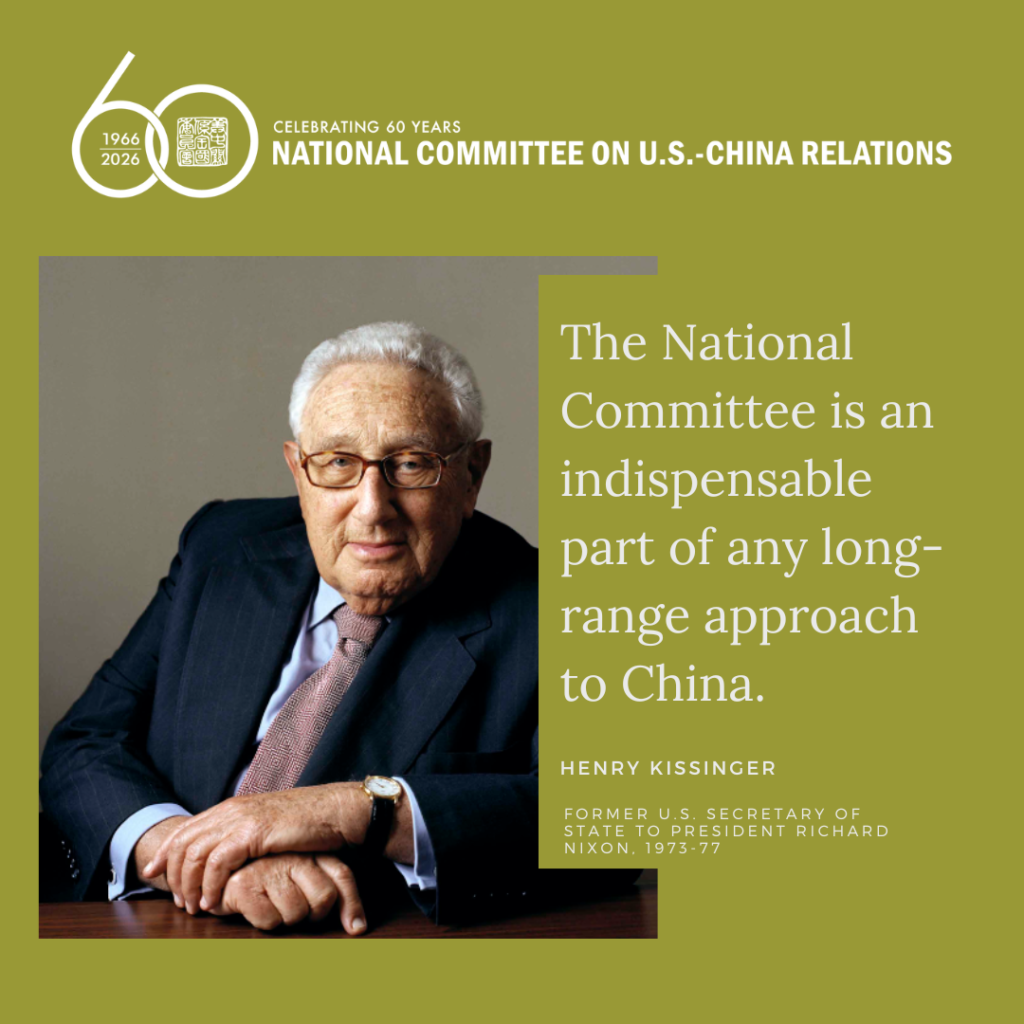
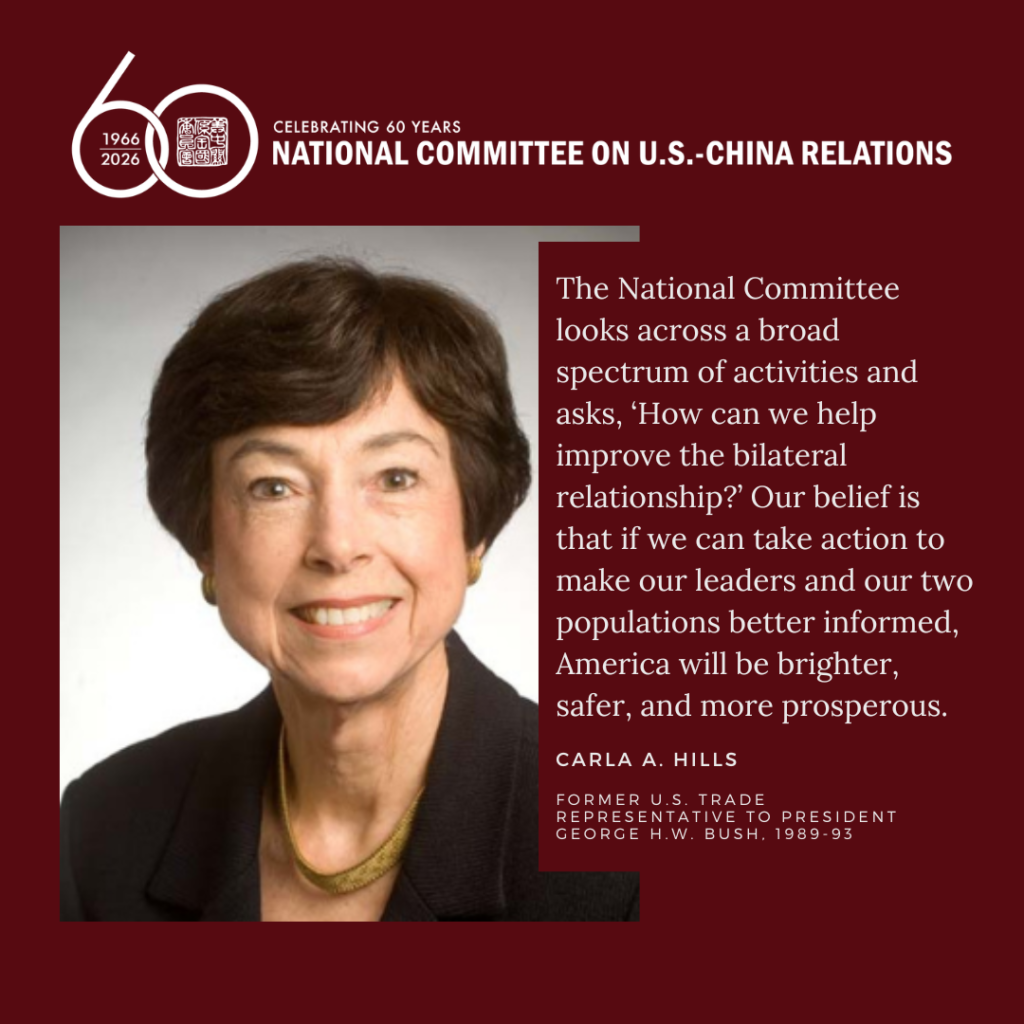
In 1966, our founders – a coalition of scholars and civic, business, and religious leaders – shared the belief that it was essential that Americans know more about China in order to formulate fact-driven policies that would be in the best long-term interests of the United States.
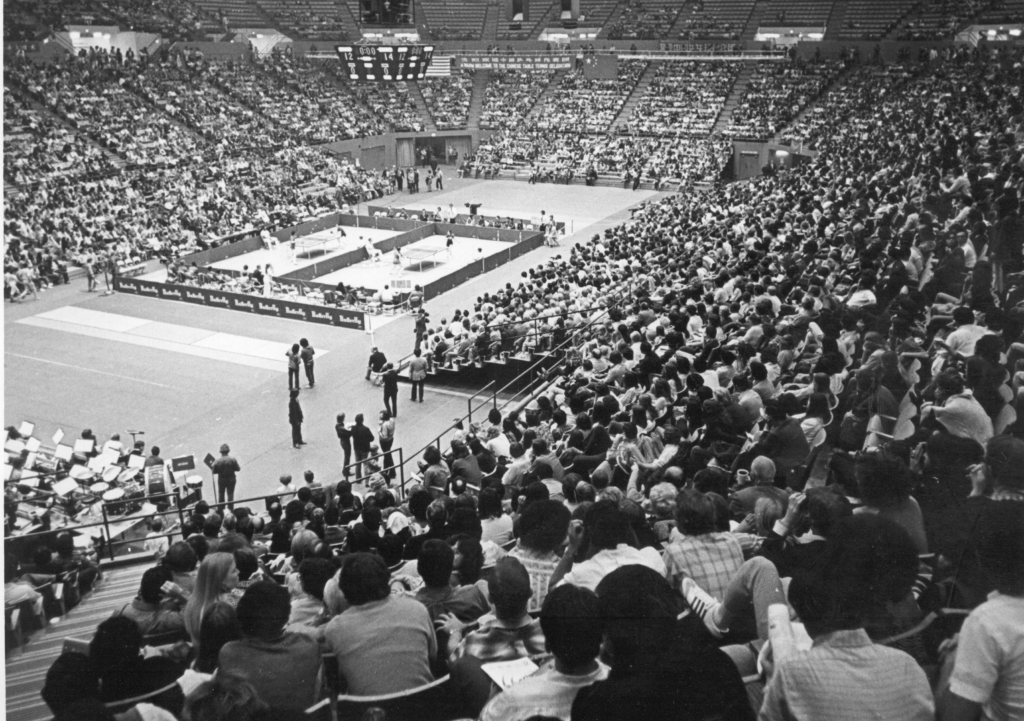
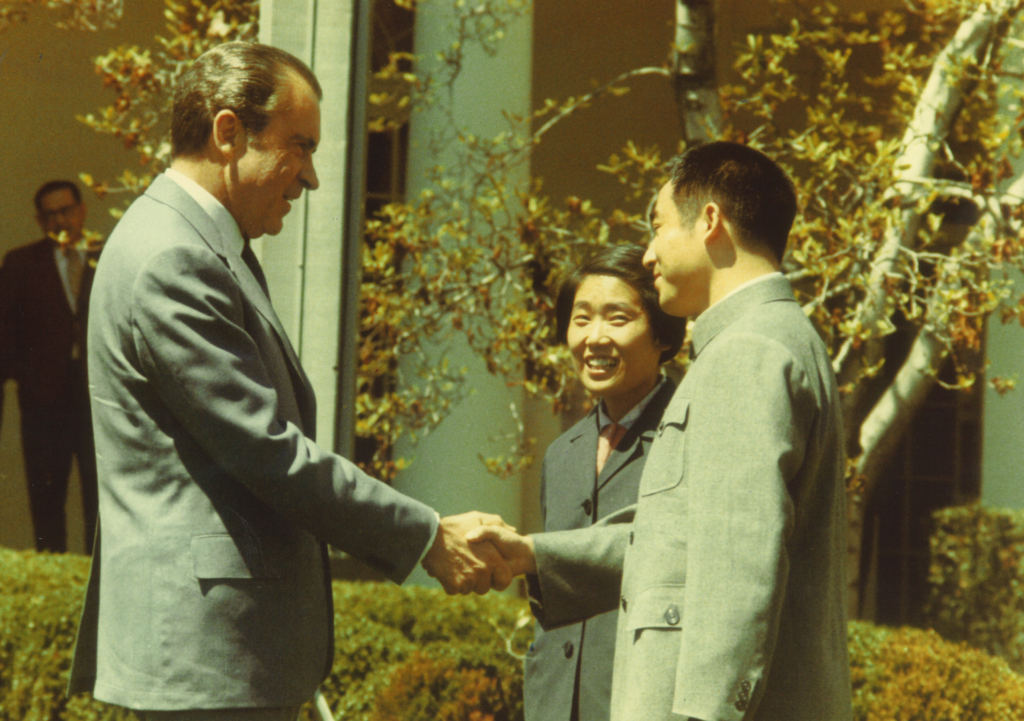
In our early days, we were the first to offer public education and forums that shared balanced information about the People’s Republic of China and open, nonpartisan discussions about the prospect of bilateral relations. These initial initiatives, coupled with our sponsorship of the historic Chinese table tennis team’s visit to the United States in 1972, helped open the door to diplomatic contact.
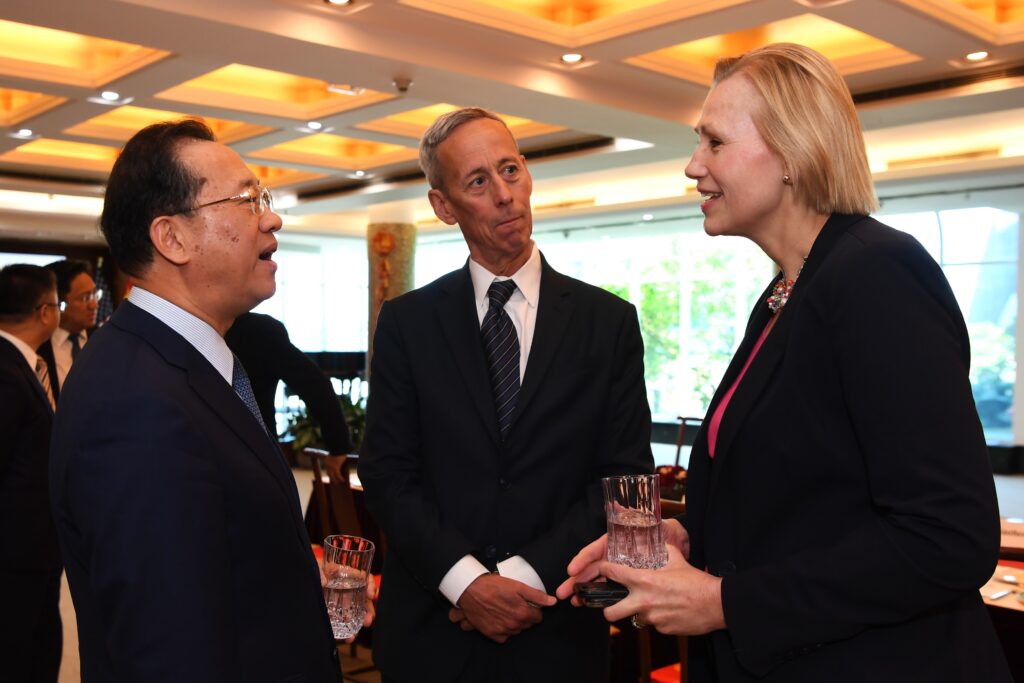
Today, we carry our founders’ legacy forward by centering our work on dialogues and exchanges between American and Chinese counterparts on issues of importance to the U.S.-China relationship and on public education programming. Supporting next-generation leadership development is also core to our mission. By identifying and investing in those who will influence the U.S.-China relationship through business, academics, policy, and beyond, we strengthen our impact for generations to come.
Celebrate With Us
Help us celebrate our 60th anniversary by making a tax-deductible gift today.
At a time when bilateral engagement is more important than ever, the National Committee will continue to serve as a trusted platform for policymakers, educators, business leaders, and the public. Help us recognize our 60th anniversary by making a tax-deductible gift today. Your contribution helps us:
- Inform dialogue about the world’s most consequential relationship
- Support people-to-people exchange between the United States and China
If you are interested in becoming a corporate sponsor, please click here for more information.
Our History
Founding and Public Debate, 1966-1971
As the U.S.-China relationship evolved over time, so has the National Committee. Over six decades, we have anticipated and responded to shifts in American policy toward China, targeting stability in times of turbulence.
We were the first organization to offer both balanced information about the People’s Republic of China and provide forums for nonpartisan discussion about bilateral relations.
Fostering Understanding and Exchange, 1972-79
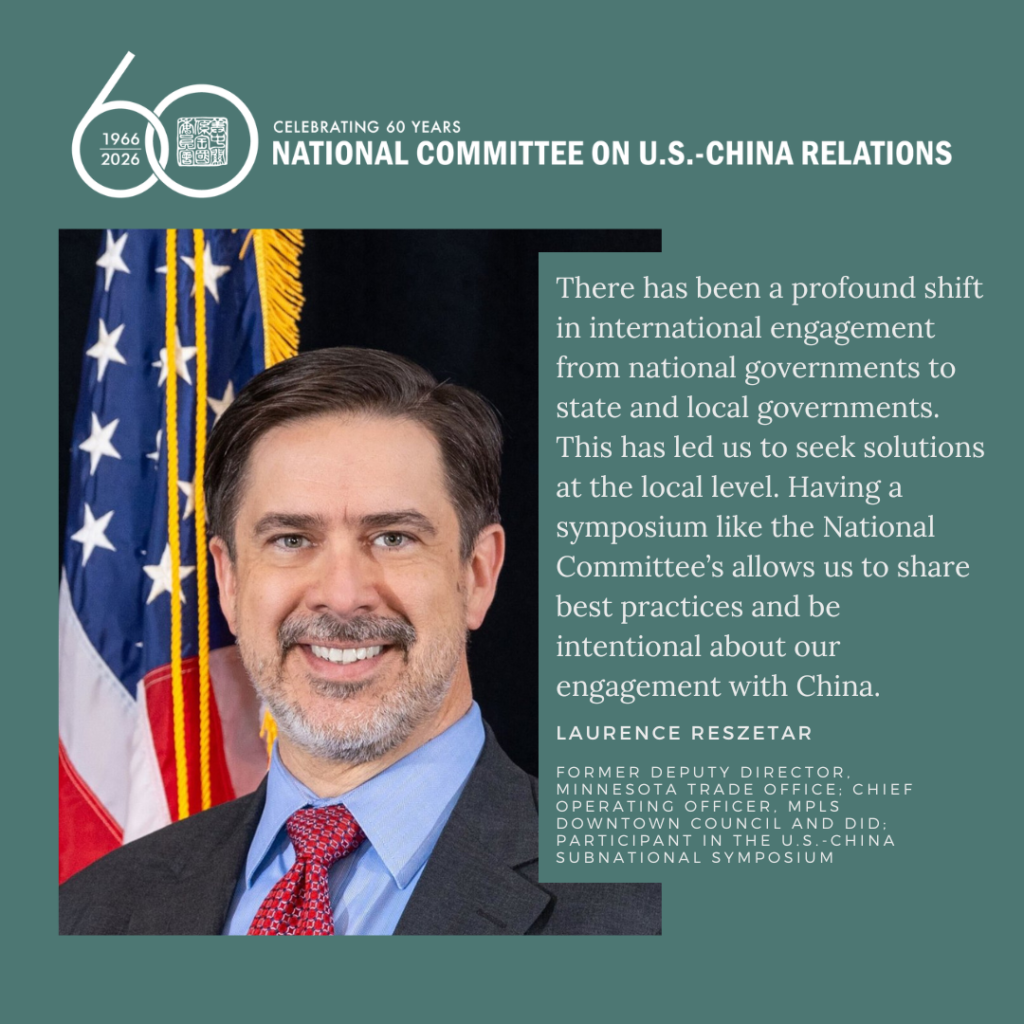
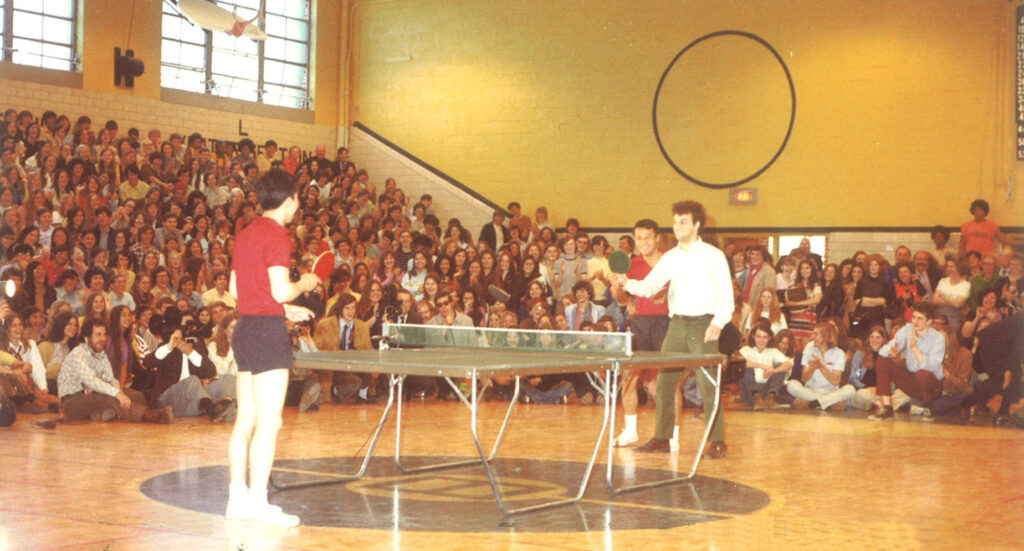
We played a central role as the United States and China began getting to know one another. In 1972, the National Committee on U.S.-China Relations and the U.S. Table Tennis Association co-sponsored the historic Chinese table tennis team visit to the United States, the first interaction between the two countries on American soil. In the absence of diplomatic relations, the National Committee was one of only two entities organizing exchanges between the two countries. We began with athletic and cultural events and expanded our activities into other professional areas like education administration and exchanges between municipal, regional, and state officials. To this day, we have introduced thousands of Chinese and American counterparts to one another.
Building Ties and Deepening Impact, 1980s-90s
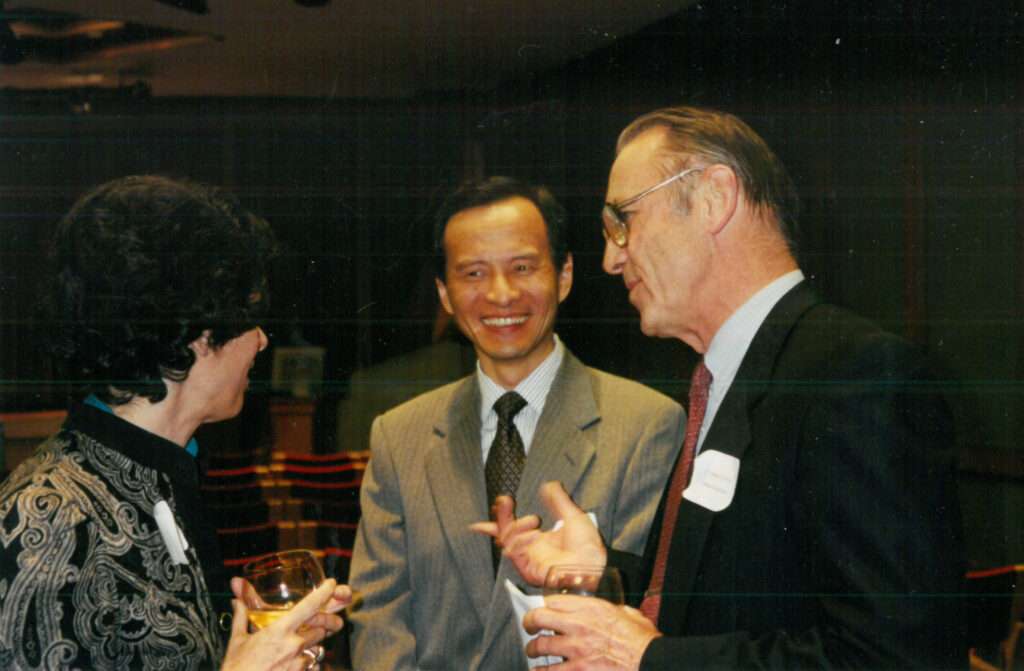
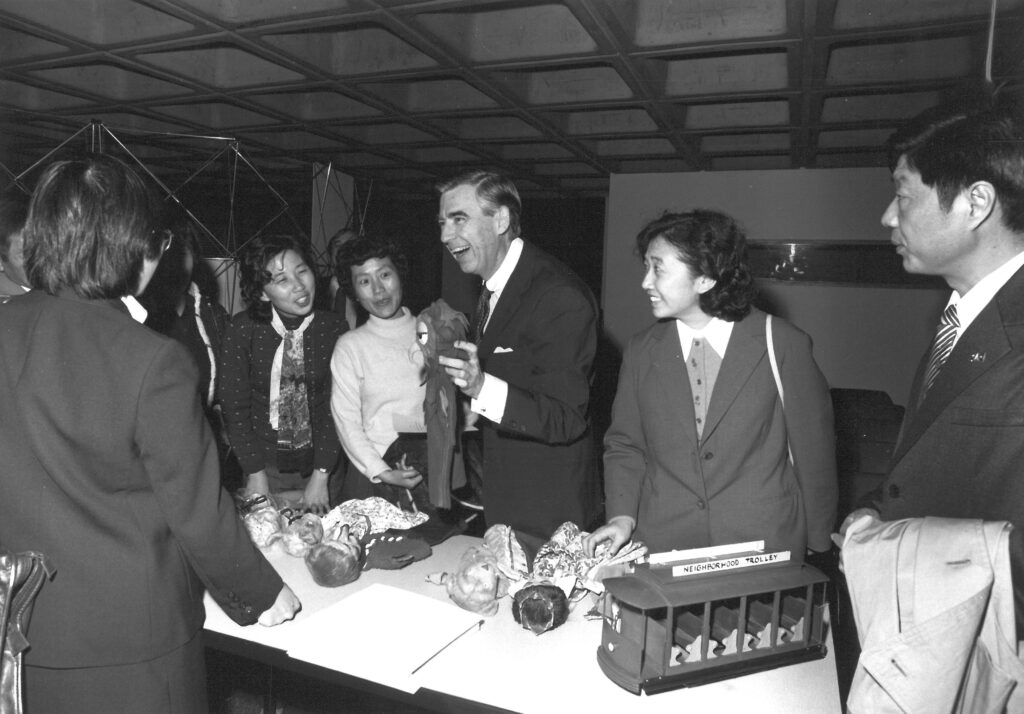
Throughout the 80s, we organized the first bilateral meetings of professionals in dozens of different areas, including journalism, film and theater, city planning, women’s issues, and tourism. In the 90s, we expanded exchanges and conferences outside of the major cities and into the provinces.
We also began to focus on programs that enabled longer-term relationships. One way we did this was via what is now known as Track II dialogues, off-the-record conversations on both core and forward-looking issues in the relationship that help inform policy in both countries. We held our first dialogue with China in 1984; it ran until 2001.
Today we hold eight Track II dialogues on sensitive and pressing issues, such as: economics, healthcare, climate finance, digital economy, maritime issues and international law, people-to-people issues, rule of law and human rights, and strategic security.
Investing in the Next Generation, Early 2000s
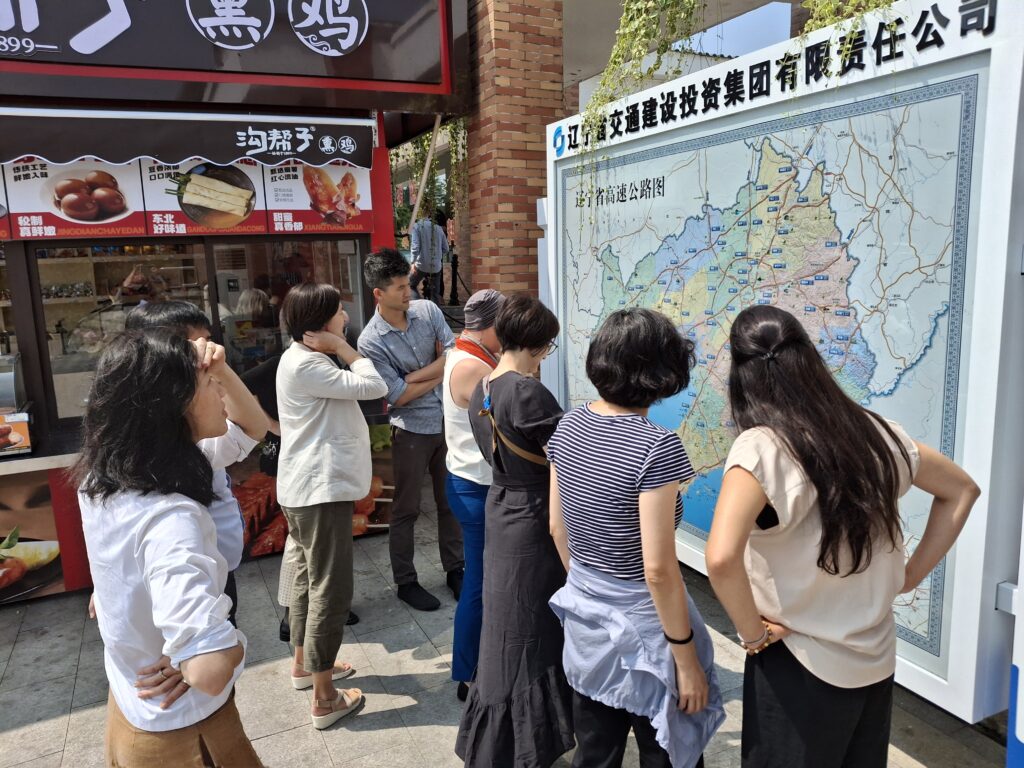
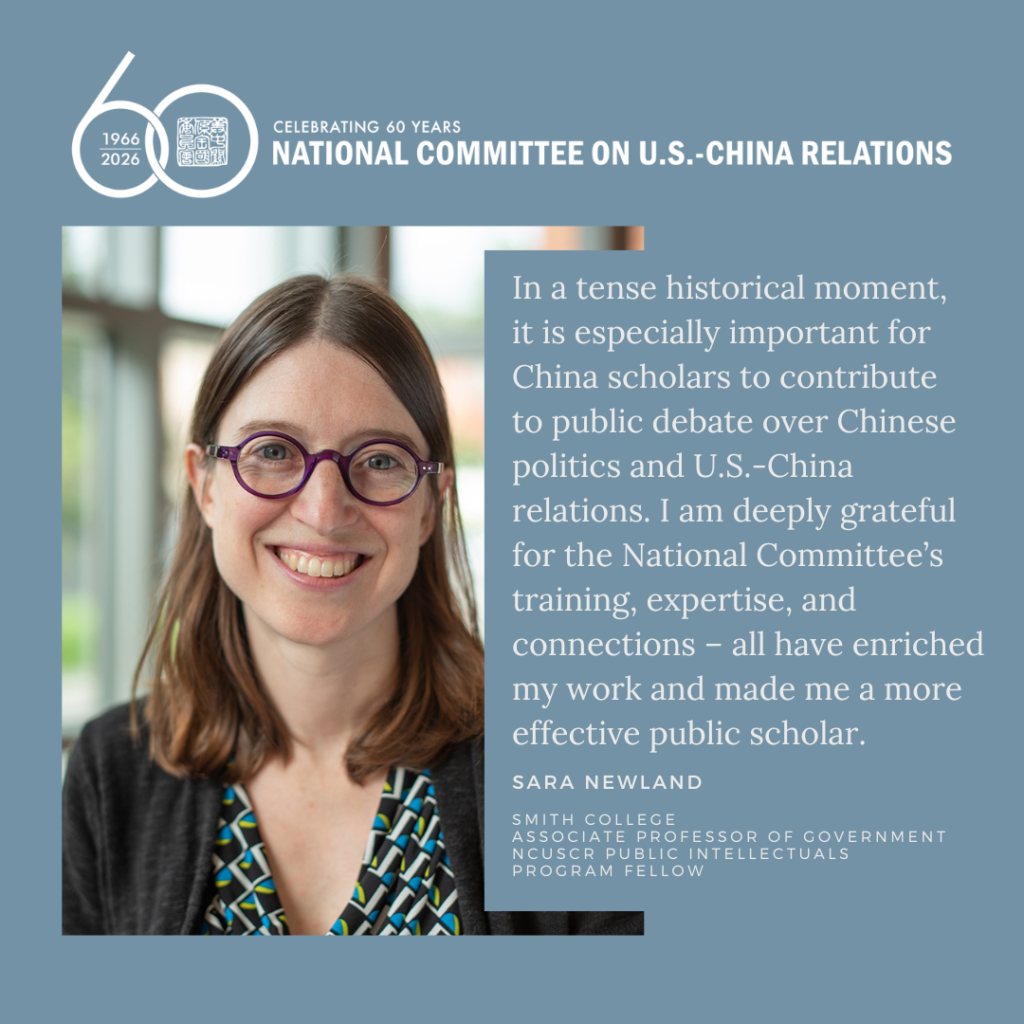
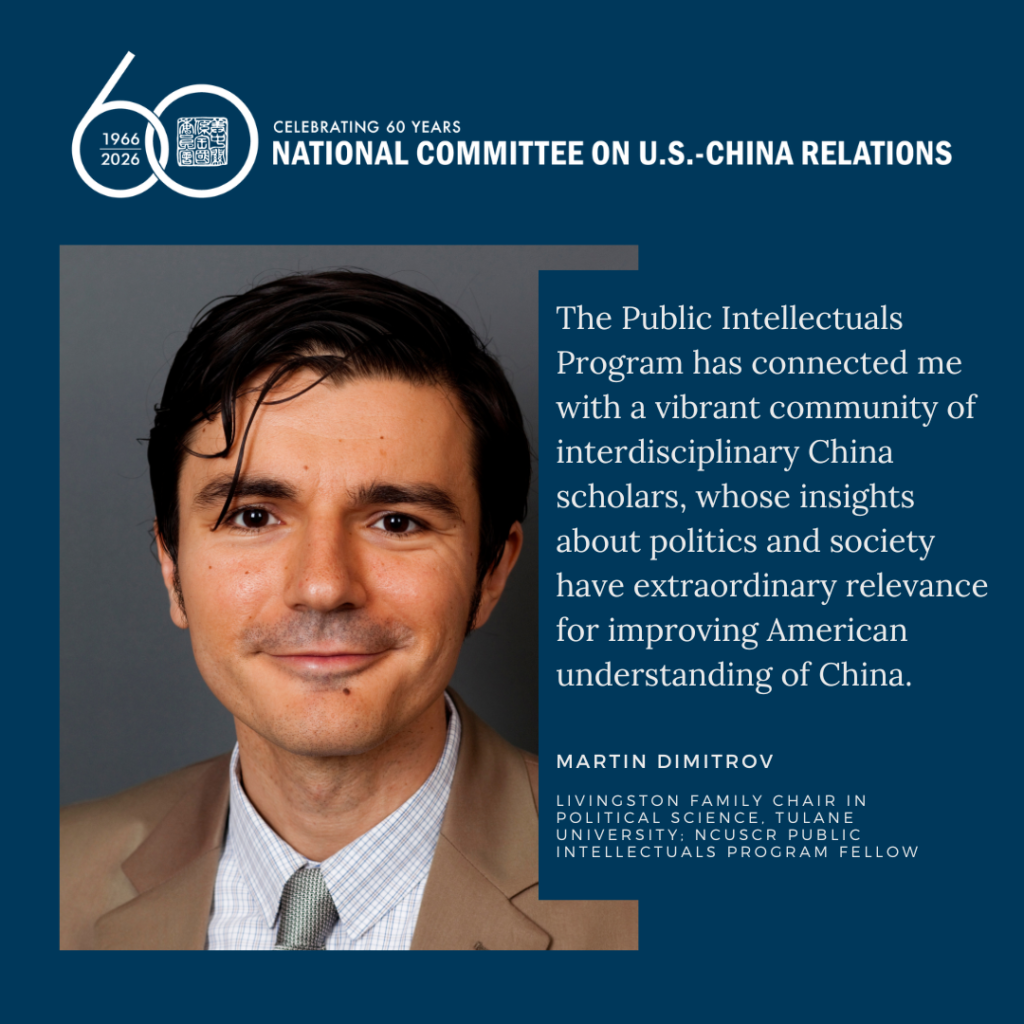
In the early 2000s, we began to develop programs focused on rising leaders in different fields, strengthening our impact. These include the Young Leaders Forum, Student Leaders Exchange, Next Generation Military Leaders program, White House Fellows briefings, and Public Intellectuals Program (PIP).
Launched in 2005, PIP has run for 20 years and trained 180 of America’s leading experts on China, creating a strong community of China experts who share their knowledge widely with the public.
Our investment in next generation initiatives has paid dividends by helping decision-makers in both the United States and China become better informed about bilateral relations.
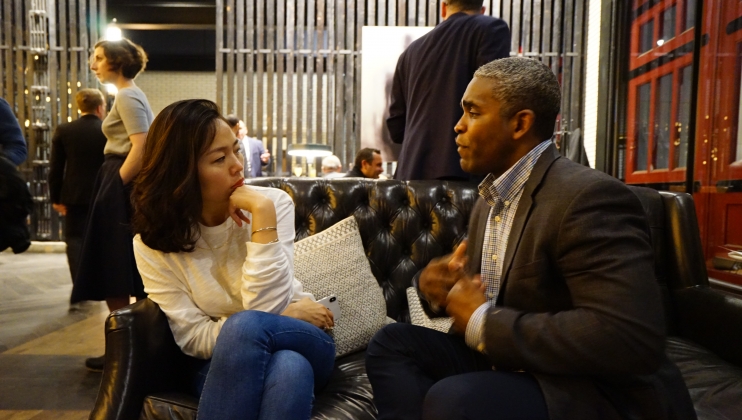
Managing Strategic Competiton, 2010s to today
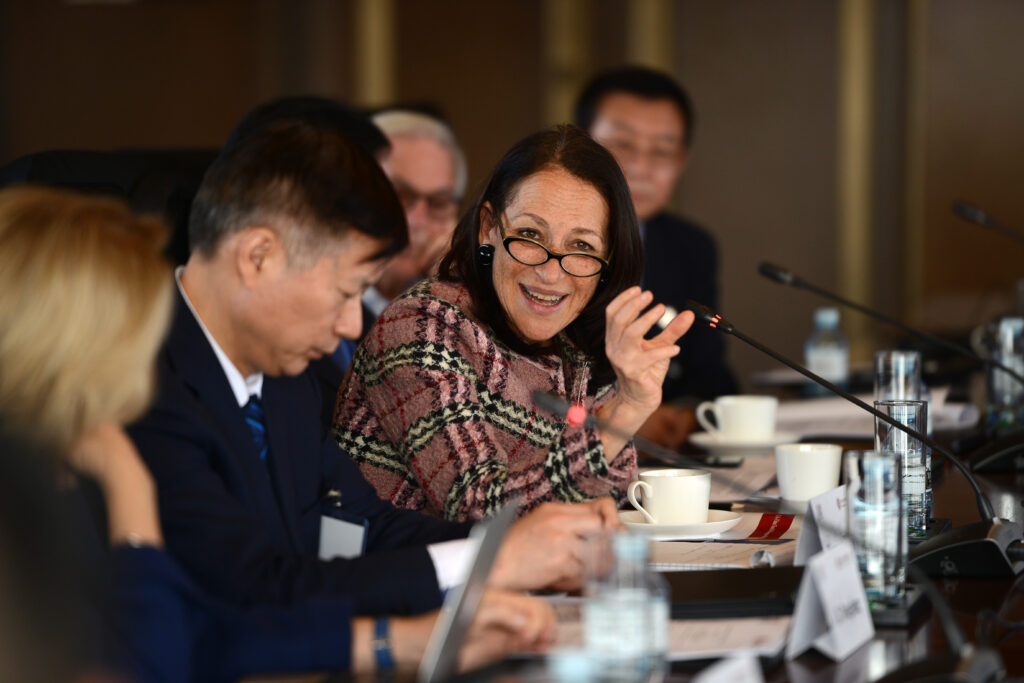
In an era of escalating tensions and mistrust, our programs maintain open lines of communication that allow for candid conversation and stability. Today, we continue to educate the public, invest in next generation leaders, and foster ongoing dialogue and cooperation, striving to ensure that we have knowledgeable stewards guiding the U.S.-China relationship for generations to come.