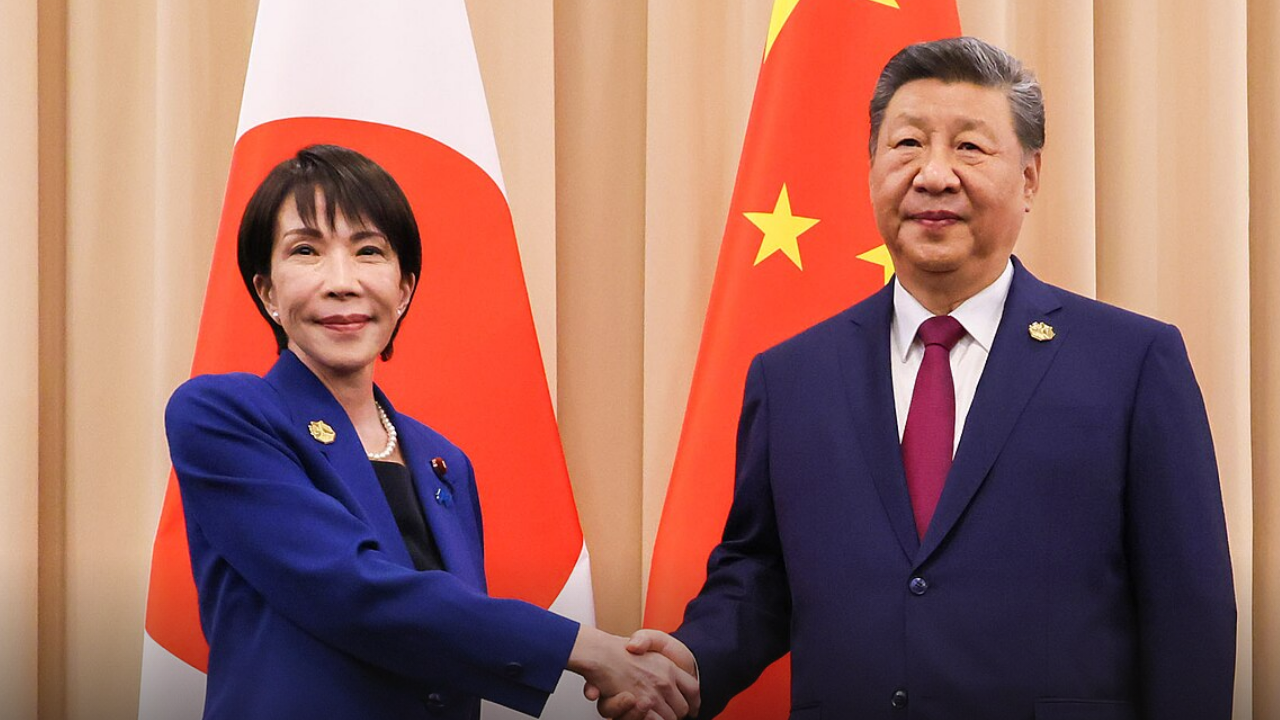
In November 2025, during an unscripted exchange in the Japanese Diet, Prime Minister Sanae Takaichi said that a hypothetical Chinese attack on U.S. forces defending Taiwan could constitute a survival-threatening situation for Japan. The remark set off the sharpest downturn in relations between Tokyo and Beijing in years. China responded with a broad pressure campaign, including a travel advisory, suspended seafood imports, restrictions on rare earth and dual-use exports, and measures against Japanese firms, alongside renewed accusations of Japanese militarism.
Nearly a year later, the two governments remain at an impasse with Beijing maintaining that relations will not fundamentally improve until Takaichi retracts her remarks. The dispute has exposed vulnerabilities in supply chains that Japan and the United States share, reinforced Japan’s commitment to reducing its economic dependence on China, and raised questions in Tokyo about U.S. support at a time when Washington is seeking to stabilize its own relationship with Beijing.
In an interview conducted on September 15, 2026, Indiana University’s Adam Liff and the University of Montana’s Kristin Vekasi join Georgetown University’s Evan Medeiros, NCUSCR board member and Public Intellectuals Program fellow, to discuss what Prime Minister Takaichi actually said about Taiwan, how Beijing has used economic pressure in response, and what the rift means for the United States.