Tuesday, August 25, 2026 | 2:00 PM EDT
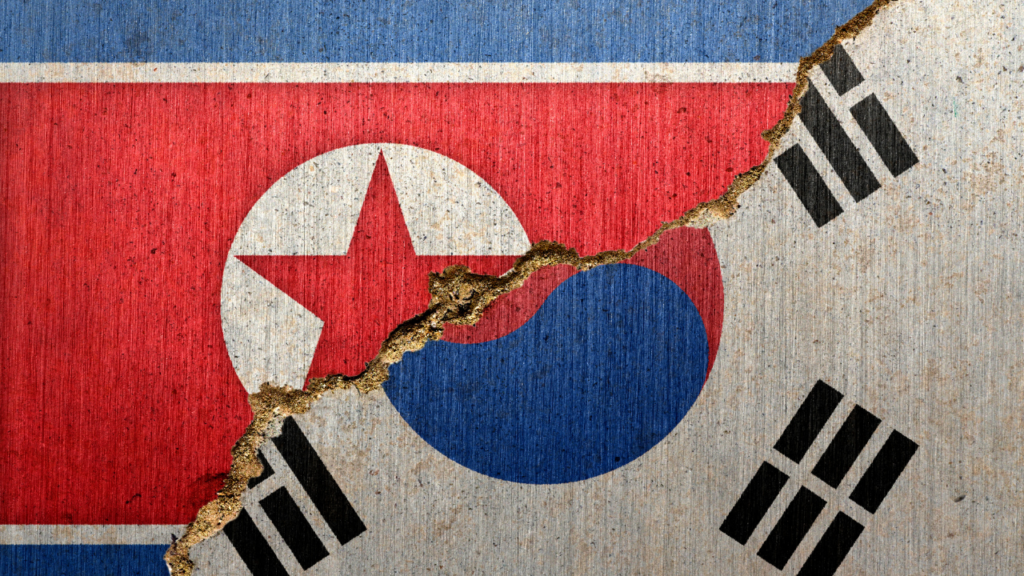
The strategic landscape of the Korean Peninsula is shifting. President Trump’s recent reduction in military exercises with Seoul and his olive branch to Pyongyang raise new questions regarding the future of the U.S.-South Korea alliance, especially as North Korea deepens its military partnership with Russia. Meanwhile, denuclearization, previously a common goal of Washington and Beijing, grows increasingly uncertain as the two countries’ priorities diverge. This conversation examines whether the United States and China still share a policy toward North Korea, how changes in Pyongyang’s foreign policy are reshaping the region, and what a transforming U.S.-South Korea alliance means for Seoul.
On August 25, 2026, Jonathan Corrado of the Korea Society spoke with Victor Cha and Susan Thornton to discuss the U.S. and China’s diverging policies toward North Korea and who will manage the next crisis on the Korean Peninsula.
Speakers
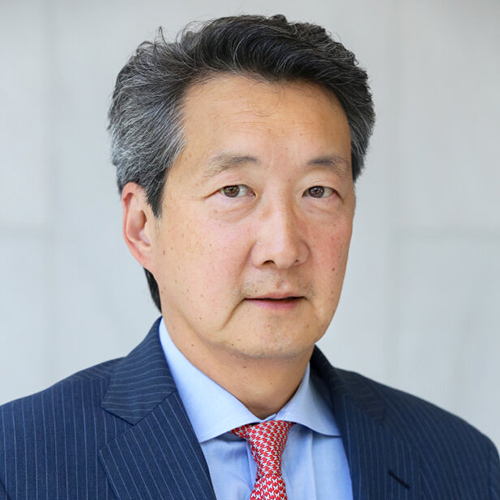
Victor Cha
Victor Cha is president of the Geopolitics and Foreign Policy Department and Korea chair at the Center for Strategic and International Studies. He is a distinguished professor of government at Georgetown University. He served on the Defense Policy Board advising the secretary of defense during the Biden administration (2021-2025), and on the National Security Council (NSC) (2004-2007), where he was responsible for Japan, Korea, Australia, New Zealand, and Pacific Island nations. Dr. Cha was deputy head of the U.S. delegation at the Six Party Talks and received two outstanding service commendations while at the NSC. He is the author of nine books, including Alignment Despite Antagonism: The United States–Korea–Japan Security Triangle (1999), which won the 2000 Ohira Book Prize, and The Impossible State: North Korea, Past and Future (2012). Dr. Cha received his Ph.D., MIA, and BA from Columbia University and a BA with honors from Oxford University.
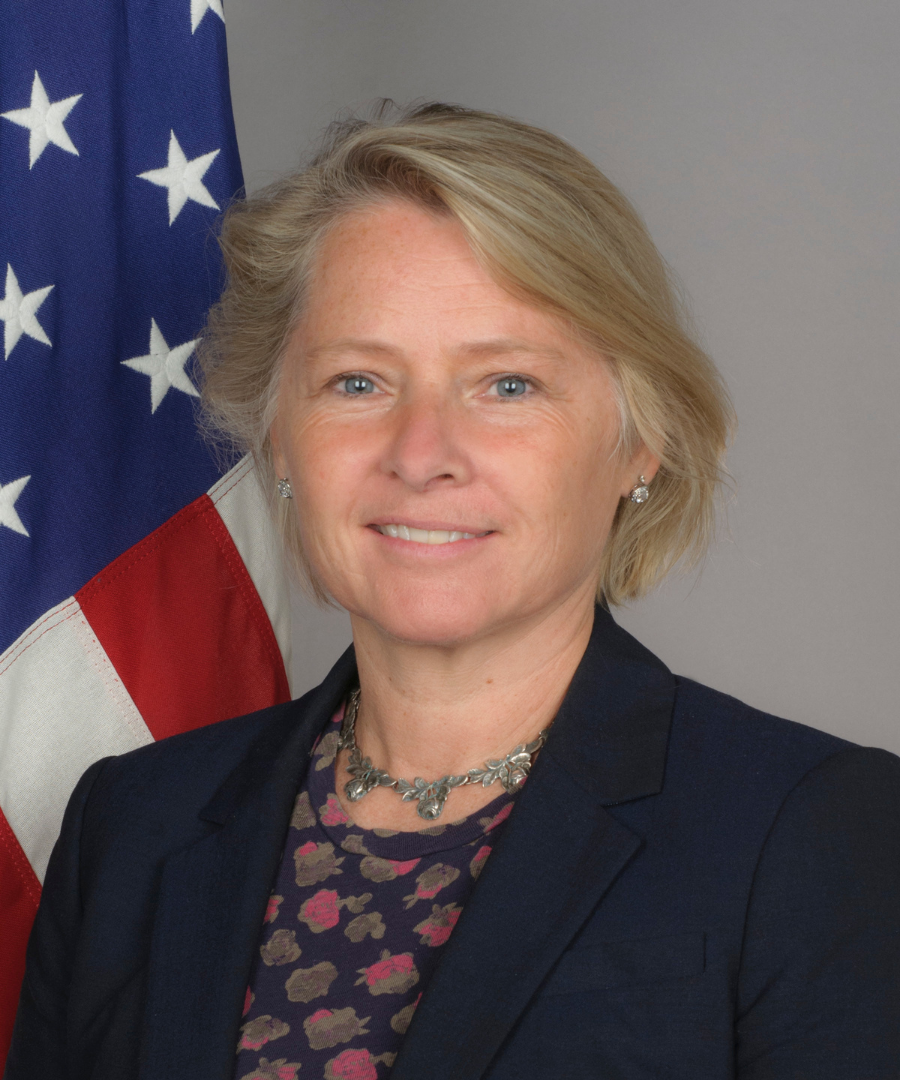
Susan A. Thornton
Susan A. Thornton is a retired senior U.S. diplomat with extensive experience in Eurasia and East Asia. She is a senior fellow at the Yale Paul Tsai China Center and a non-resident fellow at the Brookings Institution. Until July 2018, Ms. Thornton was acting assistant secretary for East Asian and Pacific Affairs at the Department of State, leading regional policymaking amid crises with North Korea, escalating trade tensions with China, and a fast-changing international environment. In previous State Department roles, she worked on China and Korea policy, including stabilizing Taiwan relations, the U.S.-China Cyber Agreement, the Paris Climate Accord, and the Agreed Framework on North Korean denuclearization. She served in leadership positions in overseas postings in Central Asia, Russia, the Caucasus, and China. Ms. Thornton received her M.A. from Johns Hopkins SAIS and her B.A. from Bowdoin College.
Ms. Thorton serves on the board of the National Committee.
Moderator
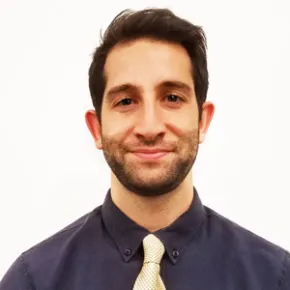
Jonathan Corrado
Jonathan Corrado is director of policy for The Korea Society, where he produces programming and conducts research on security, diplomacy, and socioeconomic issues impacting the U.S.-Korea alliance, the Korean peninsula, and Northeast Asia. Mr. Corrado is also a nonresident senior fellow in the Indo-Pacific Security Initiative at the Atlantic Council’s Scowcroft Center for Strategy and Security. Mr. Corrado teaches a course entitled, “North Korea: State, Society, Diplomacy, and Security” at Columbia University and previously instructed at SUNY Stony Brook. He was formerly a non-resident James A. Kelly Fellow at Pacific Forum, an emerging leader at the National Committee on American Foreign Policy, and a contributor to NK Pro. He has published articles in the International Journal of Intelligence and CounterIntelligence, Foreign Affairs, Foreign Policy, The Diplomat, and The National Interest, among others. Mr. Corrado received his MA from Georgetown University and BA from the University of Maryland College Park.