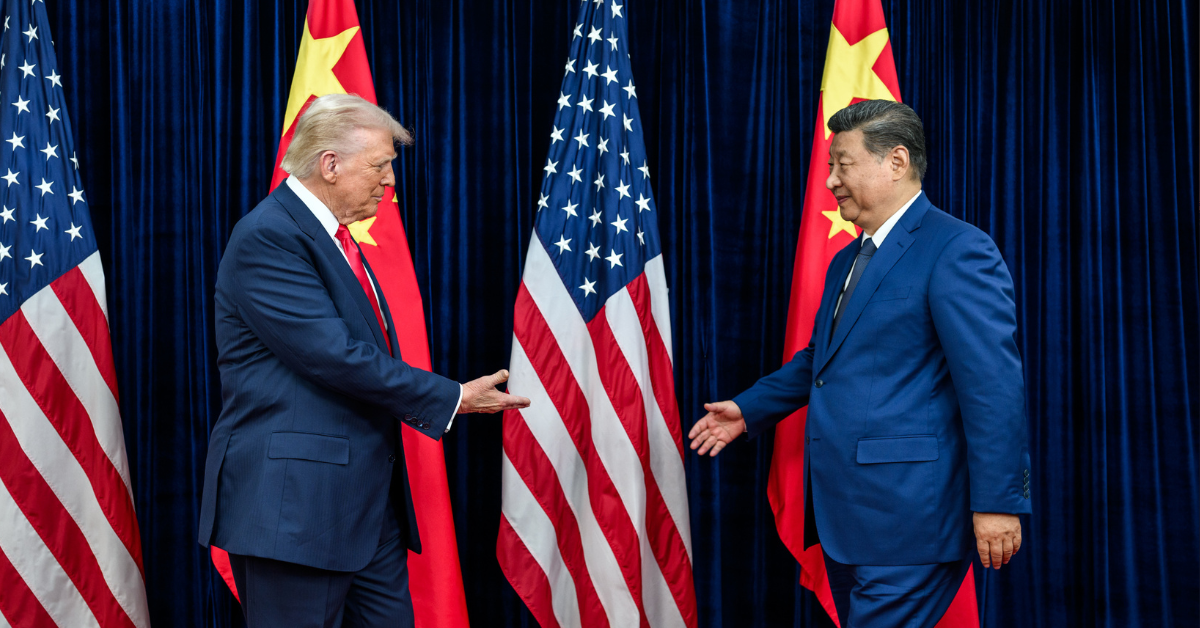
David M. Lampton and Wang Jisi argue that although the Sino-U.S. relationship has deteriorated to a dangerous degree in the last 15 to 20 years, it is possible for the two countries to change directions if they act quickly and decisively.
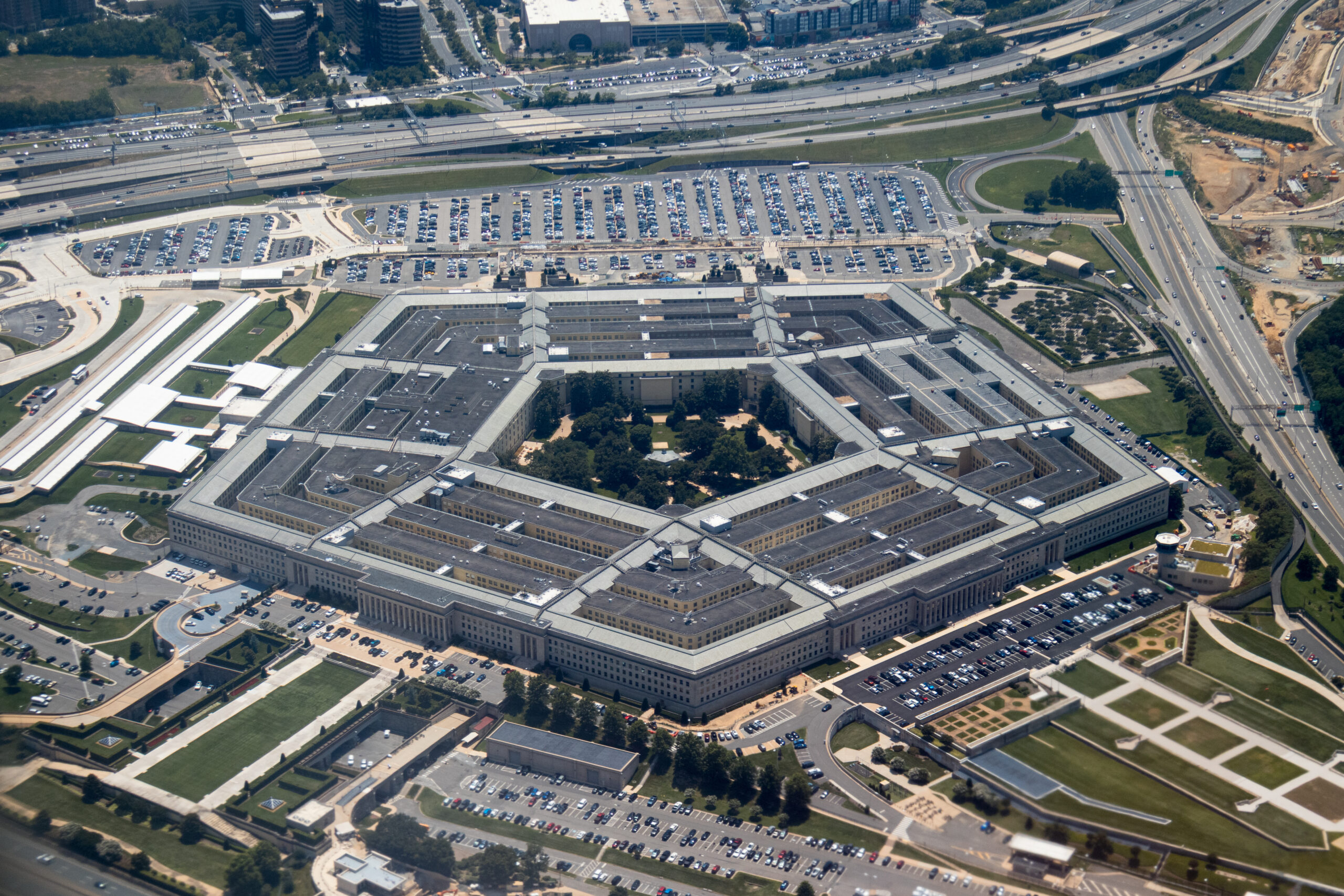
Sheena Greitens and Ryan Fedasiuk join Yun Sun for a discussion on what the Trump Administration's recently released National Security Strategy spells for U.S.-China in 2026 and beyond.
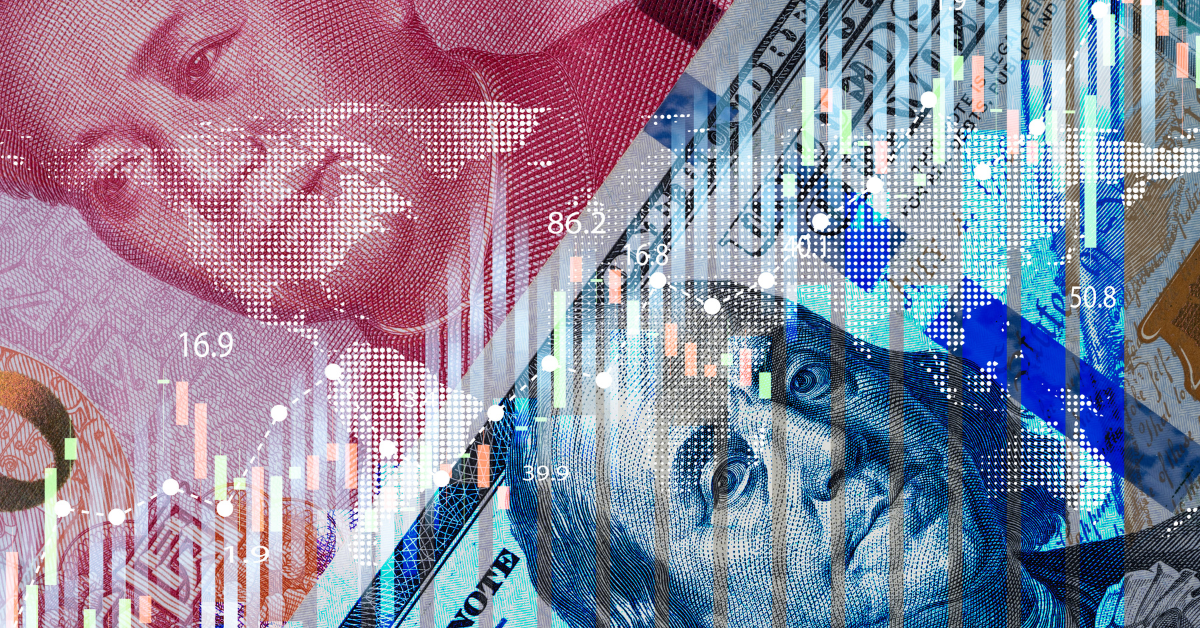
Evan Medeiros and Andrew Polk examine how China’s growing use of economic coercion is reshaping the U.S.-China relationship.
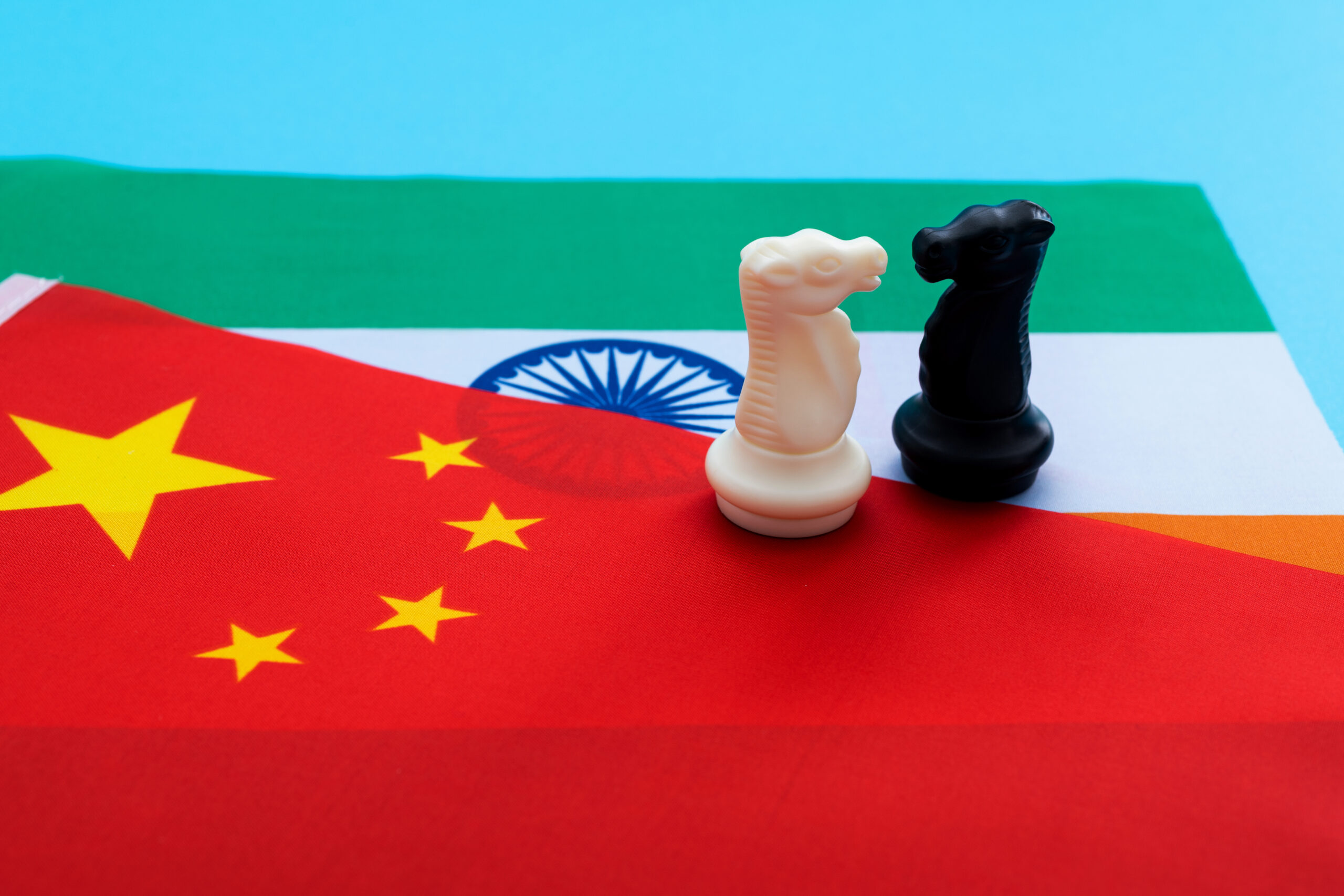
Manjari Chatterjee Miller and Liu Zongyi join Mark Frazier to discuss the shifting dynamics of the trilateral relationship among China, India, and the United States and analyze the implications of a potential thaw in China-India ties in the rapidly changing geopolitical landscape.
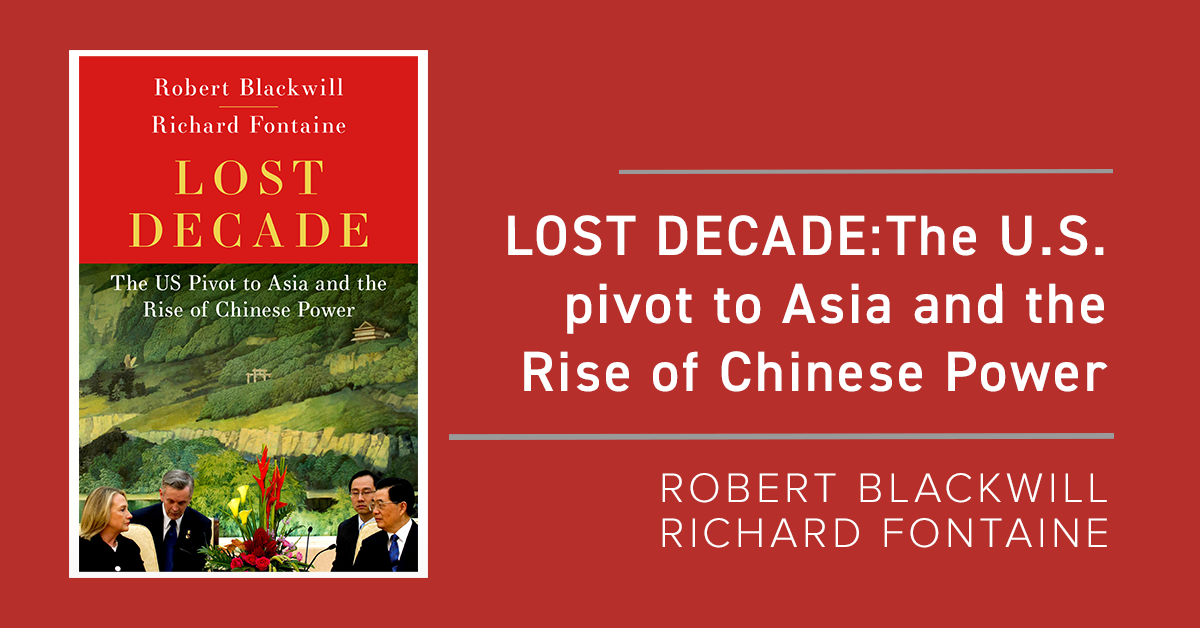
Robert Blackwill and Richard Fontaine explores the significance of centering Asia in U.S. foreign policy and what it suggests for the prospects for America today and in the future.
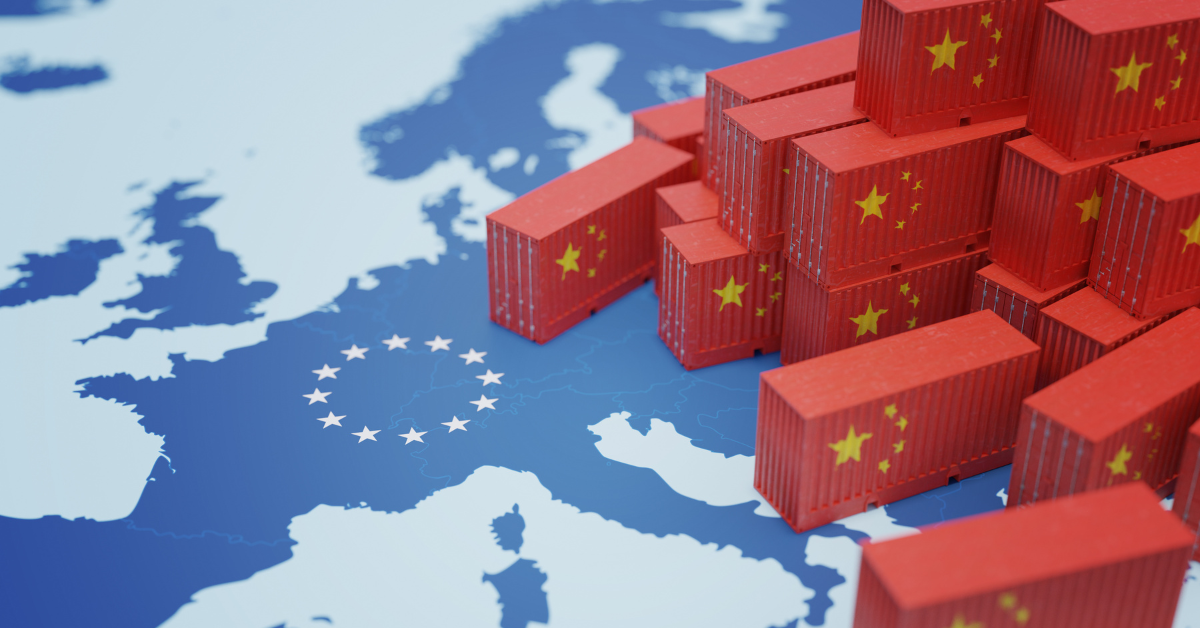
Noah Barkin, Janka Oertel, and Jason Kelly discuss China’s relationship with the European Union, focusing on trade, and national security.

Mary Gallagher discusses the 2024 Two Sessions for China’s economy, politics, and foreign policy with Jessica Teets and Jack Zhang.
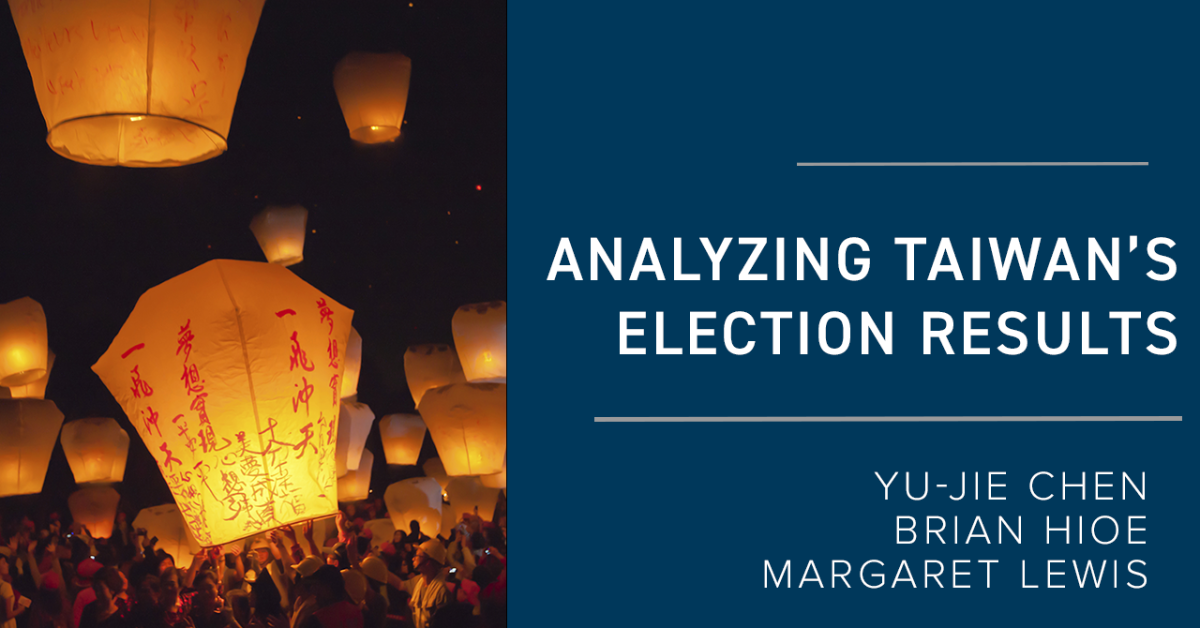
Yu-Jie Chen and Brian Hioe join Margaret Lewis in Taipei to discuss the results of Taiwan’s elections and their implications for U.S.- China relations
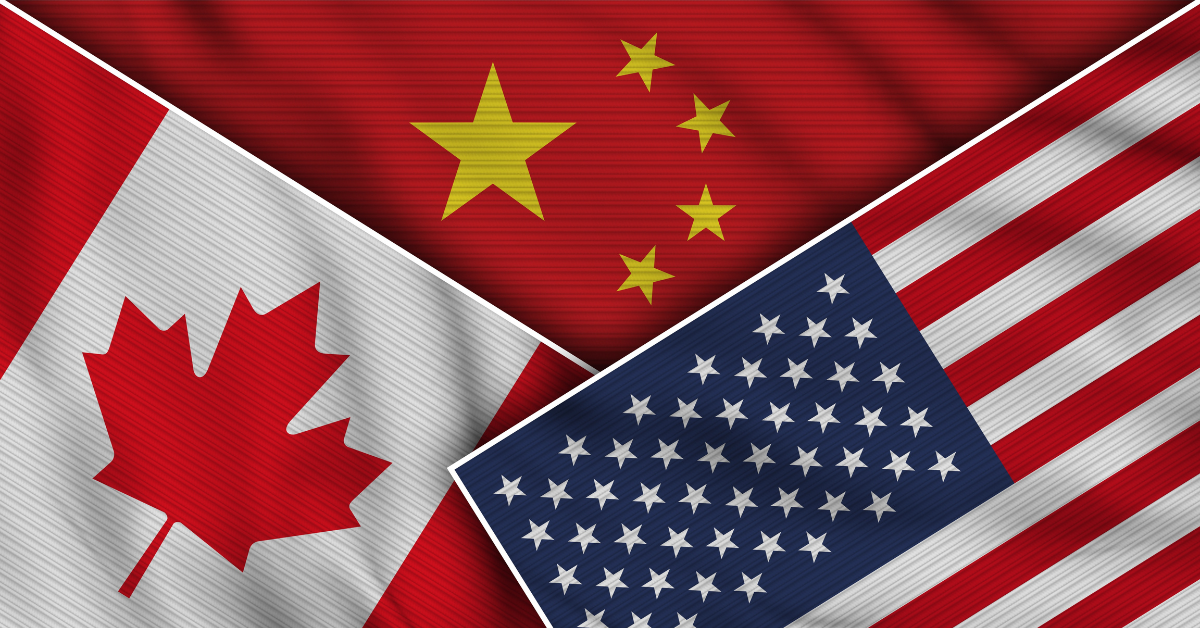
Gordon Houlden and Pascale Massot discuss Canada-China relations and areas where the U.S. and Canadian Indo-Pacific Strategies converge and diverge with Diana Fu.
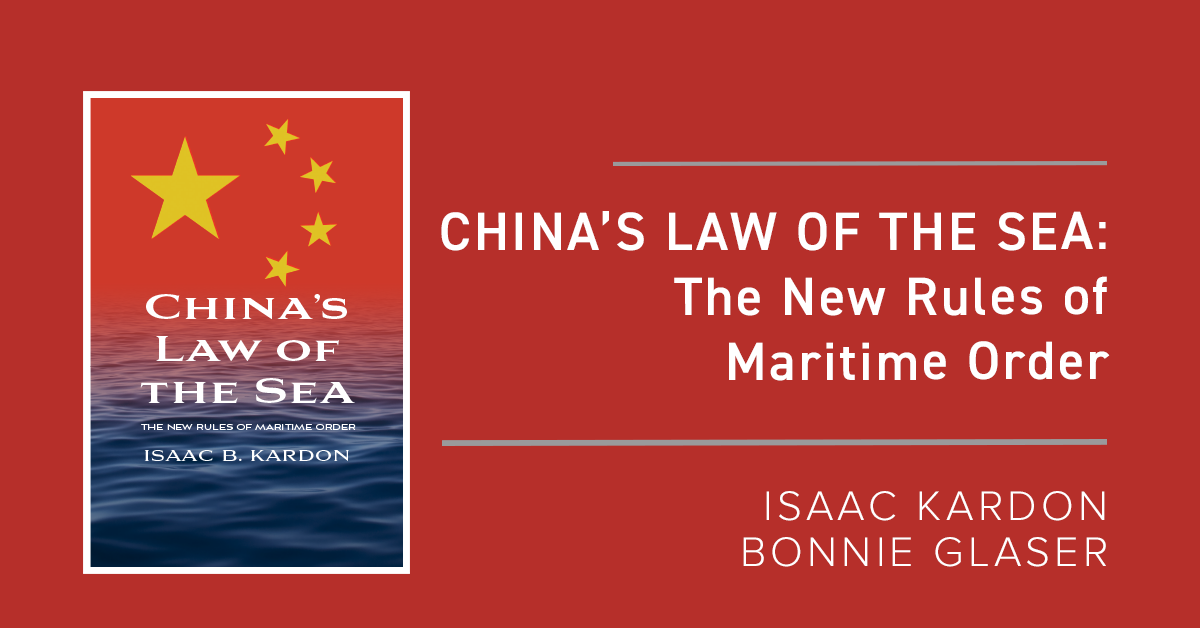
Isaac Kardon discusses China’s influence on “the rules” of the international law of the sea with Bonnie Glaser.