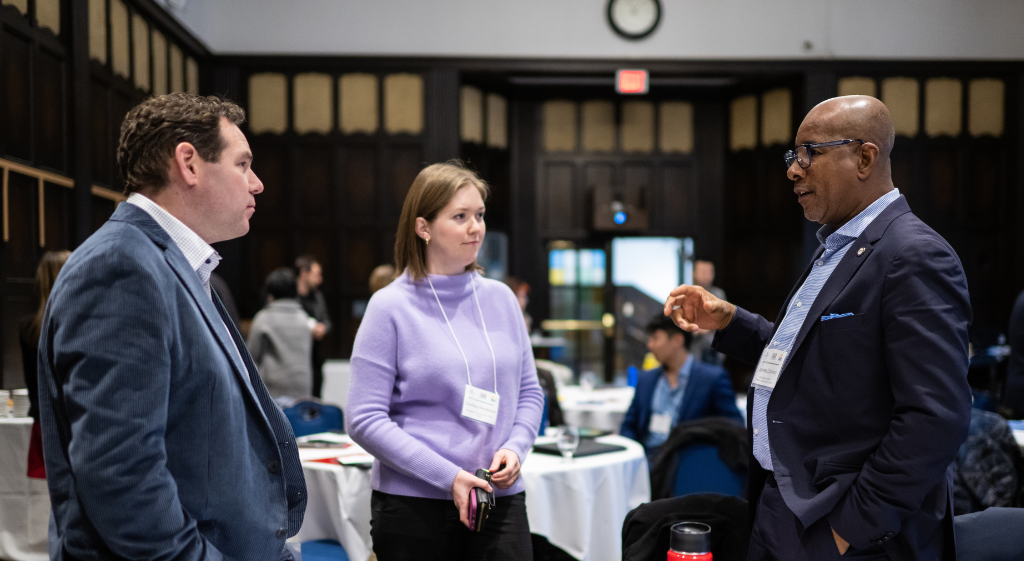
The National Committee’s subnational initiatives bring together state and municipal-level leaders from across the country who work on China-related issues in the areas of trade and investment, education, culture, agriculture, and development. During this time of heightened tensions in the bilateral relationship, these initiatives seek to educate, foster coordination, and develop best practices among participants.
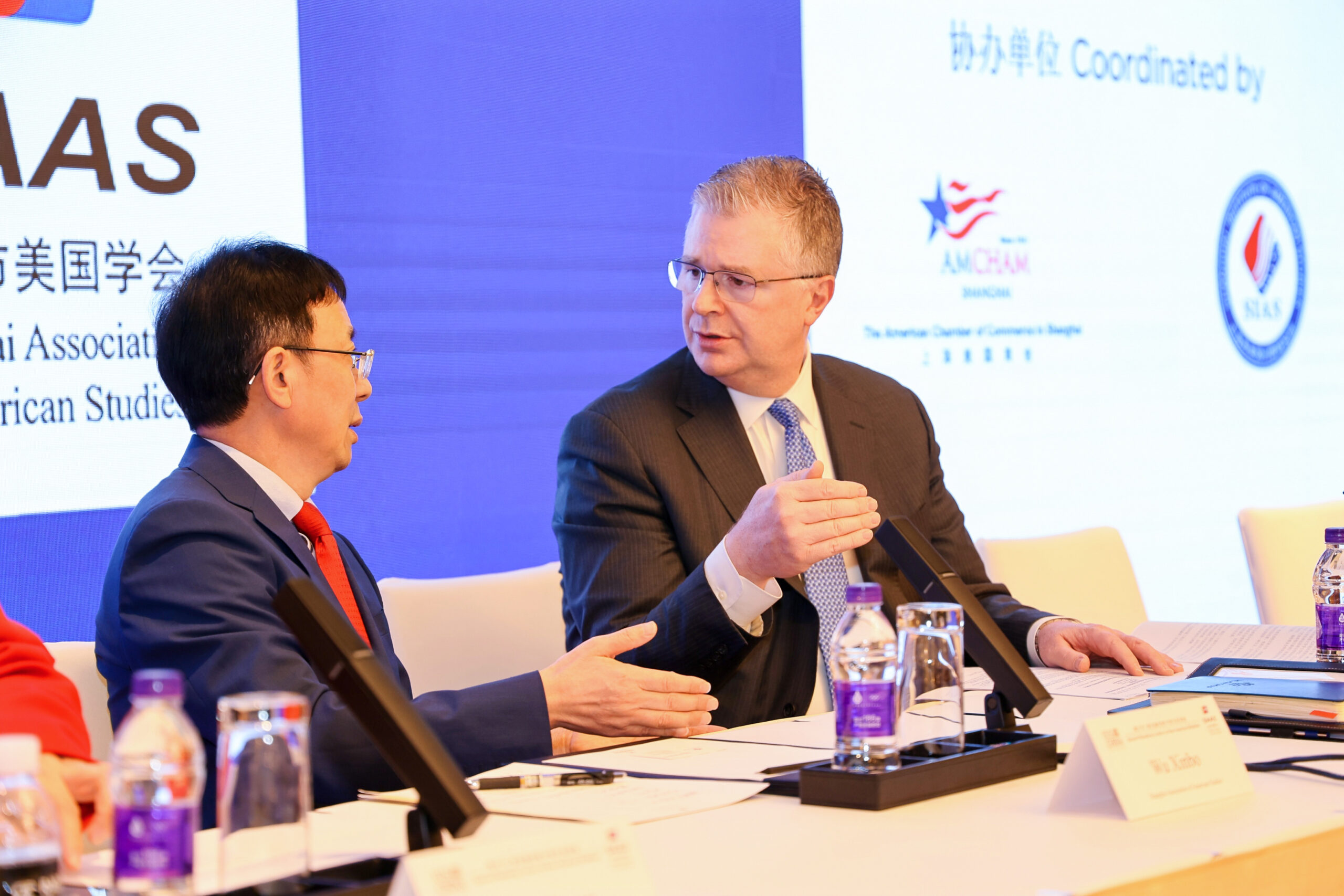
The annual Barnett-Oksenberg Lecture on Sino-American Relations affords the opportunity for a frank and forthright discussion of current and potential issues between the two countries; it is the first and only ongoing lecture series on U.S.-China relations that takes place on the Mainland.
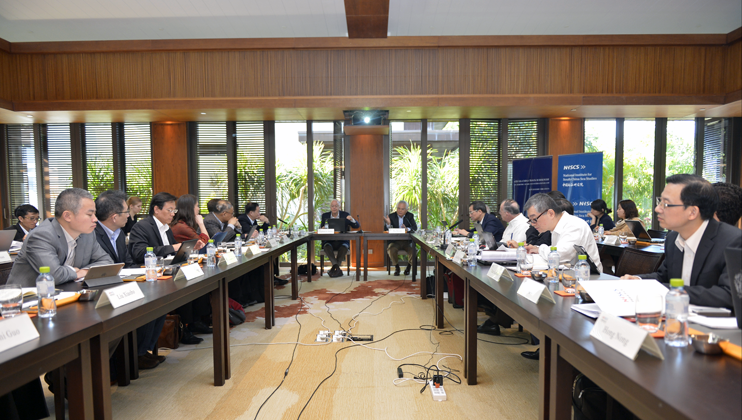
This dialogue convenes American and Chinese legal experts to explore the issues surrounding China’s recent maritime disputes and escalated tensions in the Pacific, better understand the impact on regional and U.S.-China relations, and provide suggestions for improving the management and settlement of current disputes.
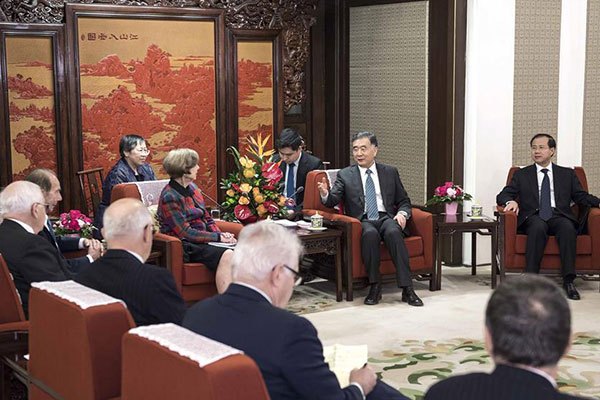
To conclude the celebration of the National Committee’s 50th Anniversary, Chair Carla Hills led a delegation of board members and donors to Beijing for meetings with senior Chinese leaders and a reunion with almost 100 friends and past program participants.

The United States and China are the world's two biggest greenhouse gas emitters. The two countries also lead the world in developing and deploying the latest green technologies like renewables, electric vehicles, and carbon capture systems. Can the United States and China collaborate on fighting climate change?
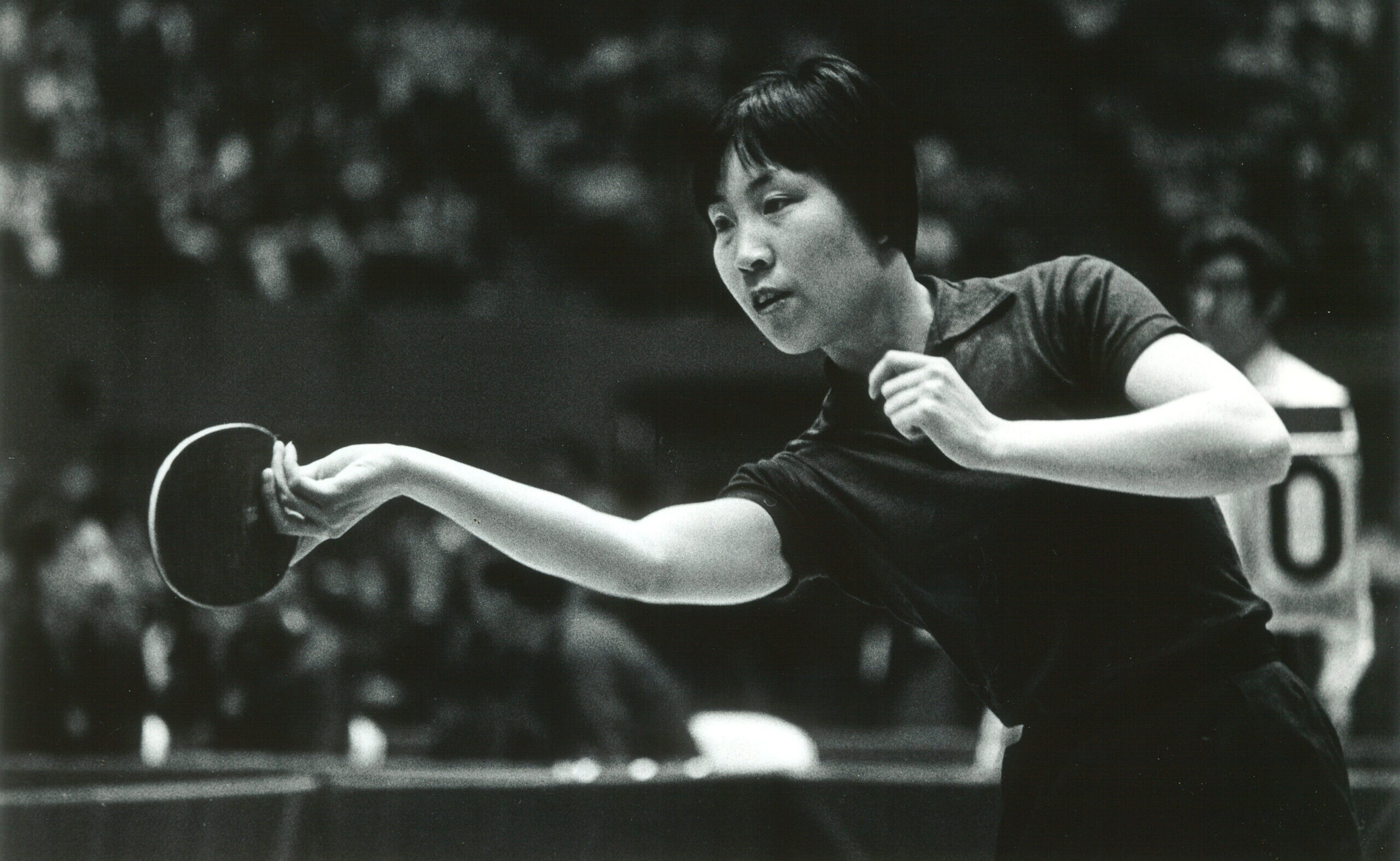
In April 1972, the National Committee made history by hosting the Chinese Table Tennis Team in round two of what became widely known as Ping Pong Diplomacy. The watershed visit — the first-ever of a delegation from the People's Republic of China to the United States — set the Committee on its path of becoming the pre-eminent exchange organization between the United States and China.
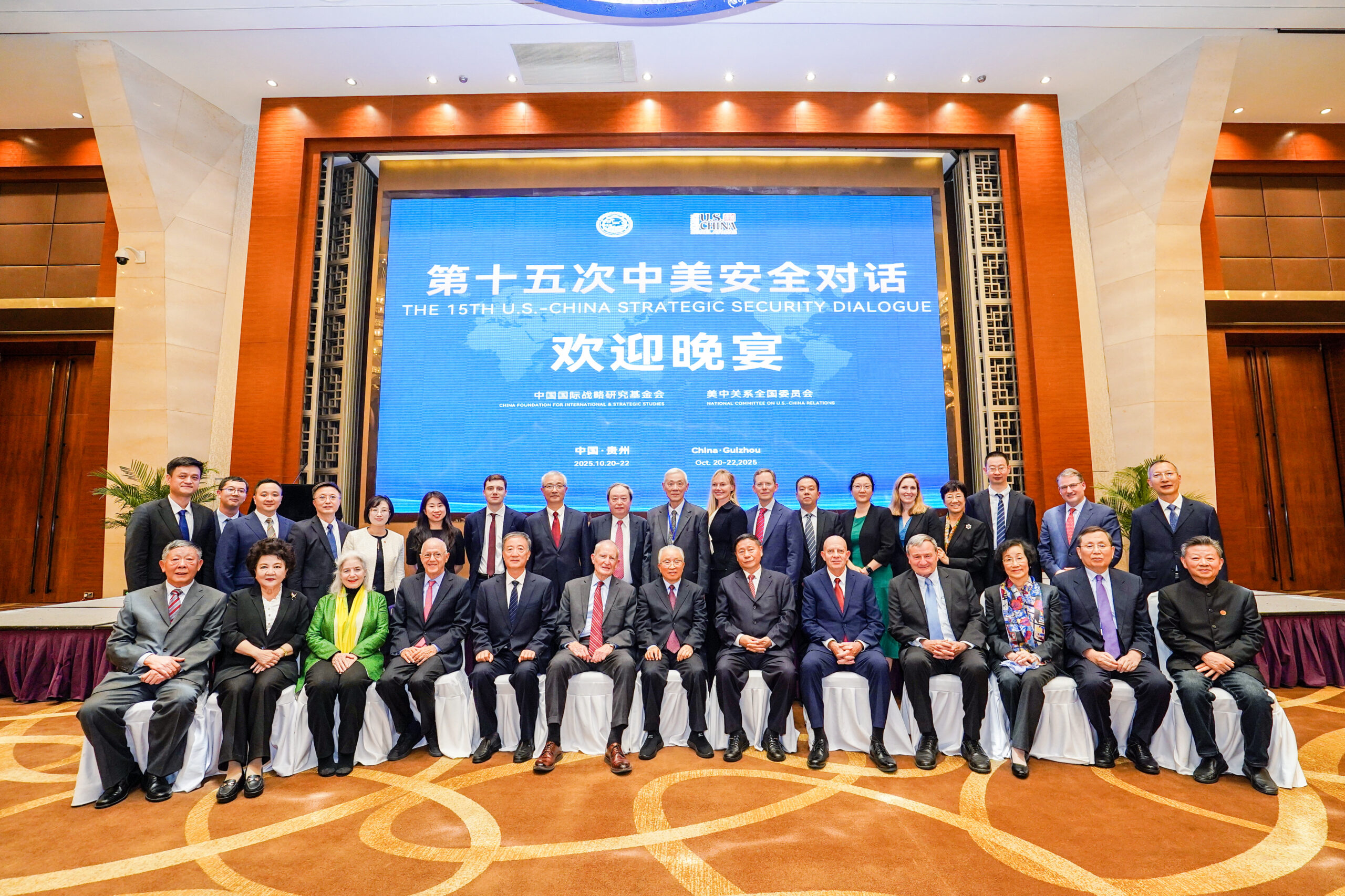
The National Committee’s Track II Strategic Security Dialogue (at times called the Northeast Asia Strategic Security Dialogue) began in 1999 and stemmed from an earlier National Committee mil/mil program and the joint Stanford-Harvard Preventive Defense Project (PDP), a research collaboration of Stanford University and Harvard University's Kennedy School of Government set up by former Secretary of Defense William Perry and Assistant Secretary Ash Carter.
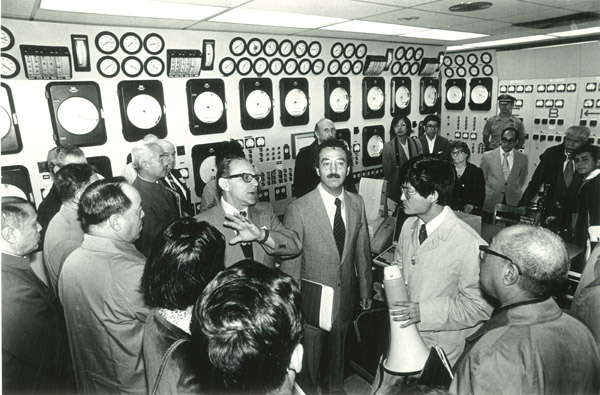
The National Committee brought the first group of Chinese mayors and deputy mayors to U.S. soil in September, 1978. Led by Beijing Deputy Mayor Zhao Pengfei and Shanghai Deputy Mayor Yen Yumin, the 19-member delegation also included city planners, architects, and engineers. The visit was the first of approximately 50 exchanges the Committee has sponsored in the area of municipal and state/provincial management and planning.
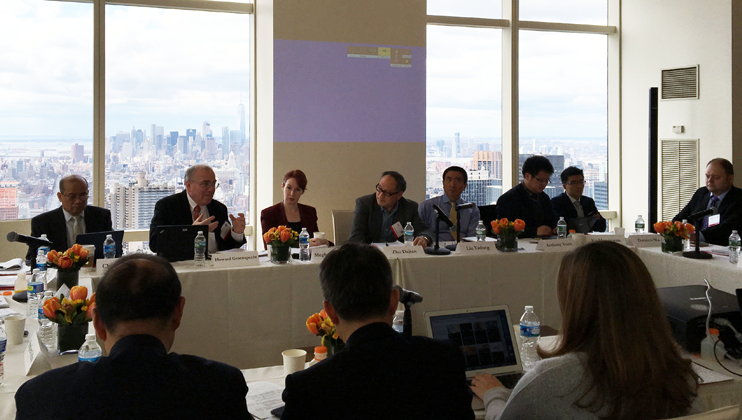
American and Chinese experts from academia, think tanks, and industry gather for a two-day dialogue exploring how significant climate change and energy developments are altering each country's energy outlook.
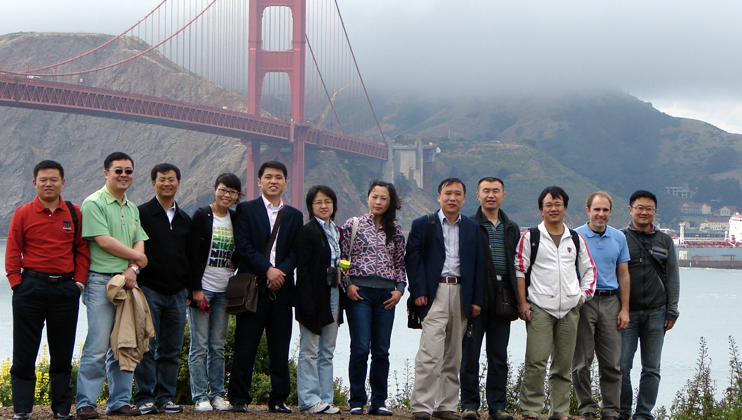
In 2011, the National Committee, in partnership with the Center for Legal Assistance to Pollution Victims at China University of Political Science and Law, sponsored a two-way exchange for environmental law professionals in China and the United States.