The National Committee runs a range of programs throughout the year to deepen Congressional staffers’ understanding of U.S.-China relations. These efforts include our Congressional Staff Fellowship on U.S.-China Relations, launched in 2026; Congressional Staff Study Groups offering regular briefings on key issues; and Congressional Staff Delegations to China, which are currently paused while MECEA-supported travel to the P.R.C. remains suspended. Together, these programs aim to equip Congressional staff with the knowledge and context needed to navigate one of America’s most consequential bilateral relationships.
In today’s increasingly complex geopolitical environment, U.S.–China relations play an outsized role in shaping global security, economic stability, and the international order. Decisions made in Washington reverberate far beyond the bilateral relationship, influencing allies, markets, and multilateral institutions worldwide. Yet at a moment when this relationship is more consequential than ever, fewer Members of Congress and congressional staff have sustained opportunities for in-depth, nonpartisan engagement on China policy.
The National Committee on U.S.–China Relations (NCUSCR) offers a selective Congressional Staff Fellowship on U.S.–China Relations designed to strengthen strategic thinking, policy literacy, and cross-office networks among the staff who shape U.S. policy toward China and the Indo-Pacific.
The fellowship provides structured, sustained engagement on U.S.–China issues, moving beyond one-off briefings to foster deeper context, critical analysis, and informed dialogue. Through briefing and discussion sessions with leading experts and practitioners from government, academia, business, and civil society, participants engage with the strategic, economic, technological, and diplomatic dimensions of the U.S.–China relationship.
The fellowship convenes a bipartisan cohort of House and Senate staffers, representing a range of roles, and policy portfolios. Fellows participate in a series of in-person briefings on Capitol Hill in the spring, culminating in an overnight conference in the fall that emphasizes deeper analysis, peer learning, and relationship-building.
Through the fellowship, participants gain:
- Stronger grounding in the history and key drivers of U.S.–China relations
- Insights into policy tradeoffs across security, economic, technological, and diplomatic domains
- Exposure to diverse, nonpartisan perspectives on China and the Indo-Pacific
- A trusted peer network of congressional staff working on related issues across the Hill
The National Committee on U.S.–China Relations is the premier American organization dedicated to advancing informed dialogue on the U.S.–China relationship. Through our unparalleled network of policymakers, scholars, business executives, and military officers, the fellowship offers participants direct access to world-class briefers and rare opportunities to engage with thought leaders shaping foreign policy.
The NCUSCR Congressional Staff Fellowship on U.S.–China Relations equips participants with the tools, context, and connections needed to engage thoughtfully and effectively with one of the most consequential bilateral relationships of the 21st century.
Briefing Topics
Session I (March 19): What Keeps Xi Jinping Up at Night?
Obstacles to Xi’s Top Priorities and Vulnerabilities of the Chinese System
Session II (March 25): Who is Winning the U.S.-China Technology Competition?
Which Sectors Matter Most and Why It Matters?
Session III (April 16): America’s New Defense Strategy and China’s Military Ambitions – Where are We Headed?
Changing U.S. Strategic Priorities, China’s Force Readiness and Capabilities, and Implications for Taiwan
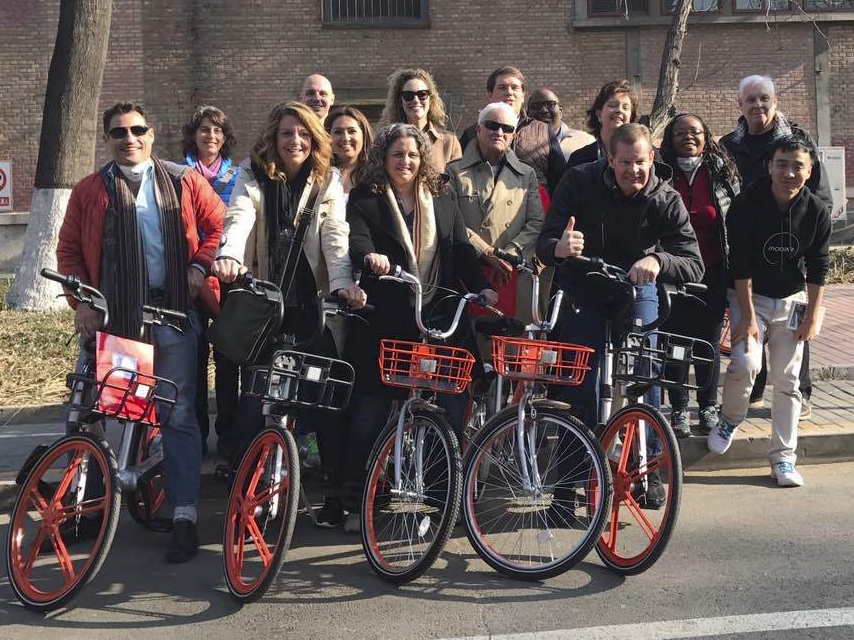
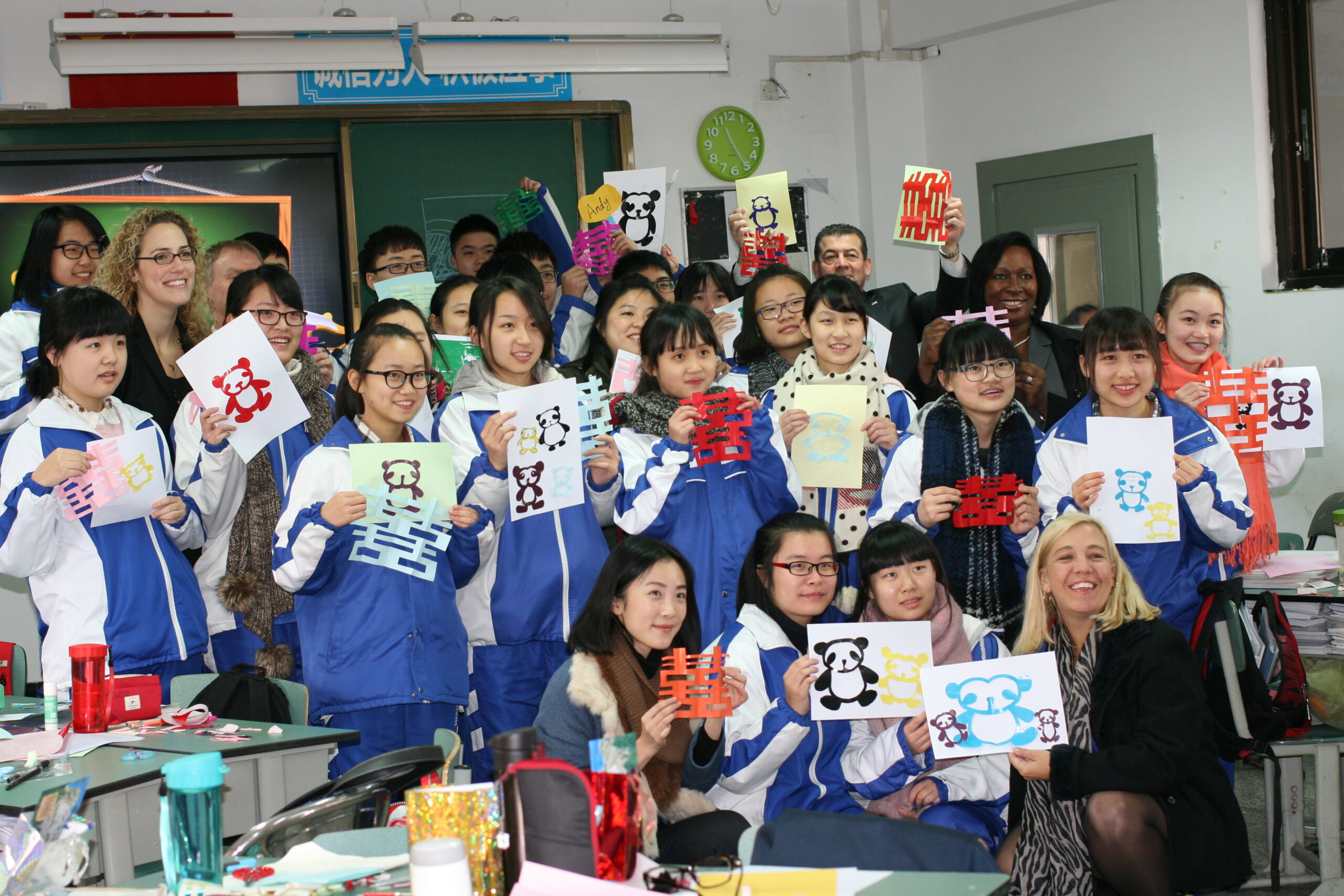
Since 2007, the National Committee has sent regular delegations of congressional senior staff members to China each year. To date, more than 150 congressional offices and committees have participated in an NCUSCR-led staff delegation to China, which draw senior aides from both the Senate and House and from both D.C. and non-D.C.-based offices.
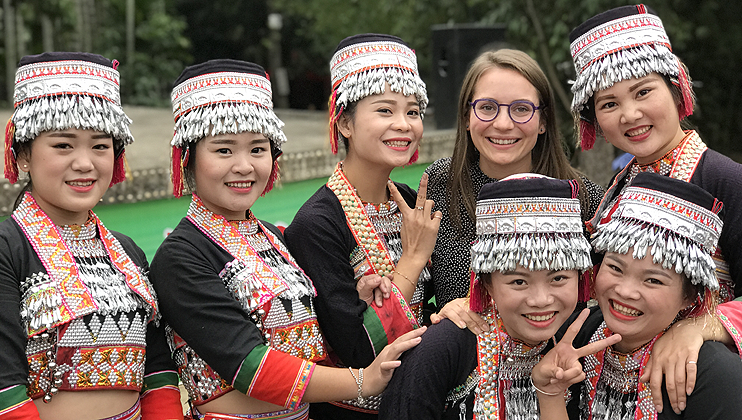
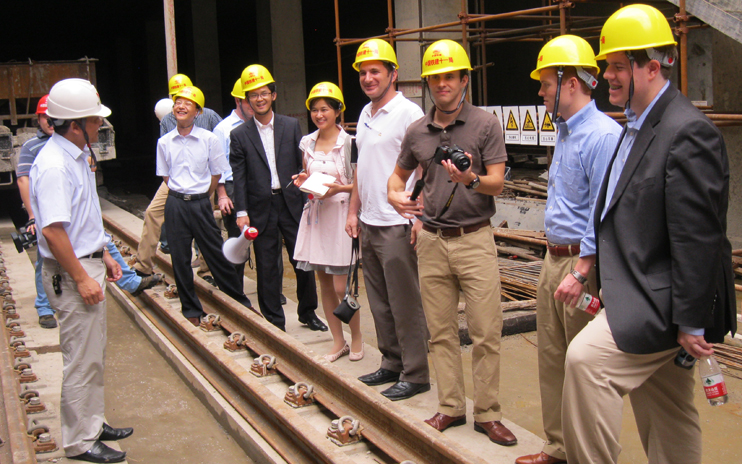
The discussions, meetings, and site-visits on these eight to ten-day, in-country programs focus on key issues in the U.S.-China relationship, such as energy, climate change, security, and trade. As part of their explorations, groups have investigated China’s emerging alternative energy sector, minority issues, high-speed rail and infrastructure development, technological innovation, and agriculture.
Largely listening tours for the participants to develop their understanding of China’s accomplishments and challenges, these visits complement the Committee’s other efforts to educate Congress on issues relating to China, including its Congressional Members Delegations to China and Capitol Hill Briefings for New Members of Congress.
For each trip, either the Foreign Affairs Committee of the National People’s Congress in China or the Chinese People’s Institute of Foreign Affairs assists the National Committee in arranging senior-level visits within China and setting up other meetings and activities. The National Committee works closely with one such counterpart organization and the Chinese Embassy in the U.S. to develop an informative and pertinent itinerary. All congressional trips are conducted under the U.S. Mutual Education and Cultural Exchange Act of 1961 (MECEA).
Each group is accompanied by several knowledgeable escorts: a senior staff member from the National Committee, staffers from the Chinese counterpart organization, and an American China scholar, who previously participated in the Committee’s Public Intellectuals Program.
Delegations are designed to both expose staffers to a broad array of U.S.-China issues and enable them to better address policy issues and constituent concerns. In addition to meeting with representatives from China’s central, provincial, municipal government offices, delegation meet with members of the American diplomatic and business communities, journalists, business and tech leaders, academics, and other stakeholders.
As in-person delegations to China are currently not feasible while MECEA-supported travel remains suspended, the National Committee has paused its congressional staff delegations.
This program continue the organization’s long history of organizing and leading U.S. congressional staff trips to China, beginning in 1976, when the National Committee took the first group of congressional staffers to China.
Since 2022, the National Committee has run a series of Congressional Staff Study Groups—multi-part briefing programs designed to connect staffers, across a range of roles and seniority levels, with leading experts on issues at the forefront of U.S.–China relations. Each session is one hour long and features brief remarks from subject-matter experts, followed by a moderated discussion that allows participants to engage directly with the speakers and with one another. These sessions not only deepen participants’ knowledge, but also help them build connections with peers working across Capitol Hill.
The series equips congressional staff—including communications staff—with new tools to evaluate and respond to information challenges emerging from the evolving U.S.–China strategic competition.
Participation is open to both individual personal-office staff and permanent committee staff. We also run separate program tracks for House and Senate staffers. Most sessions are held inside Congressional office buildings to make attendance as convenient as possible.
Topics covered have included:
- Military and security issues
- U.S.-China Economics, trade, and investment
- Understanding the Chinese Communist Party
- Technology competition
- China’s foreign relations
- China’s media landscape
Photo Gallery