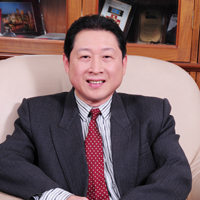
On July 19, 2012, at the National Committee headquarters in New York City, a roundtable discussion on security issues in China was held featuring Dr. Xia Liping, dean of the School of Political Science & International Relations at Tongji University, and his colleagues Dr. Leng Xinyu (China University of Political Science and Law), and Dr. Dai Ying and Dr. Liu Yiqiang (Tsinghua University).

Dr. David M. Finkelstein, vice president of CNA, presents an overview of U.S.-China military relations – its current state, projected future, and essential developments.
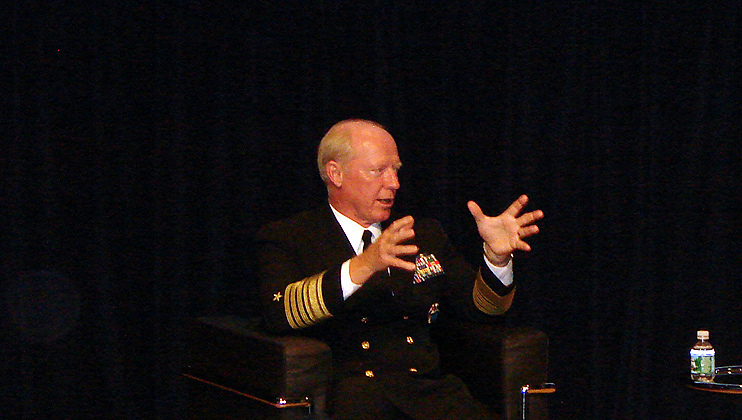
In early March, China’s central government proposed a defense budget for 2011 that increases military spending nearly 13 percent over 2010. As China expands and modernizes its armed forces, it holds an increasingly influential position in Asian-Pacific security. China has been a crucial player in the Six Party Talks on North Korea’s nuclear proliferation during […]
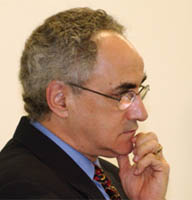
On April 7, the National Committee on U.S.-China Relations held a roundtable discussion with Professor David Zweig. He examined China’s search for energy and other resources and its impact on Sino-American relations. Professor Zweig proposed that, while China is rising as a world power, it is simplistic to say that this is China’s century: China is rising but doing so within a system that is still dominated by the United States, the “hegemon.” We should not think about China’s rise without considering the role and the responses of the United States.
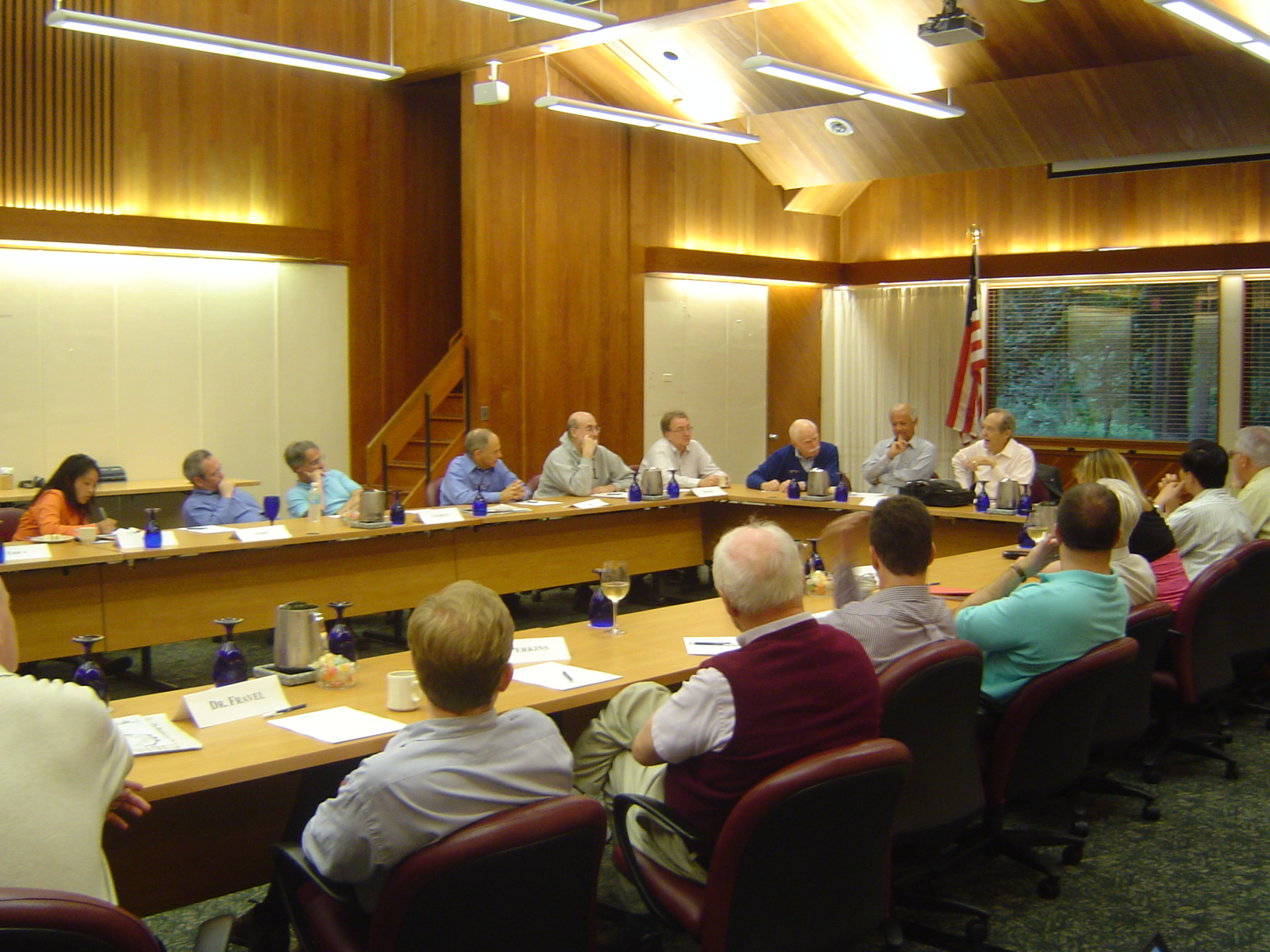
In July, 2008, the National Committee brought together 30 of the best minds on various aspects of China and several specialists in other areas for a synergistic, cross-cutting look at some of the major challenges facing China and the United States and what the best policies might be to enhance cooperation and ameliorate conflict over […]
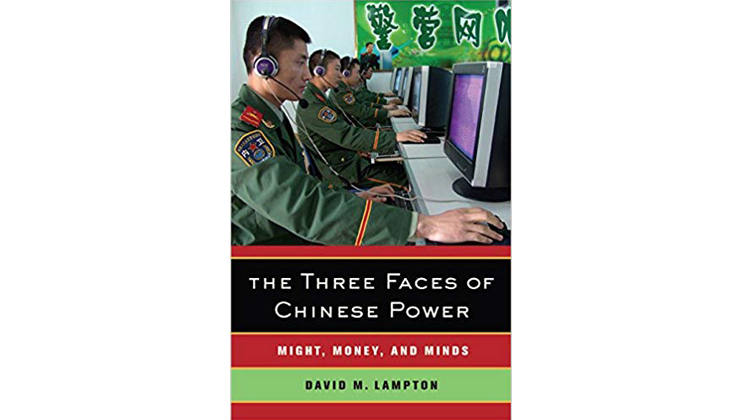
Dr. David M. Lampton shares his perspective on how China’s strengths are changing, where vulnerabilities and uncertainties lie, and how the rest of the world, not least the United States, should view these trends.

Throughout the year, the Committee runs a variety of programs to educate Congressional staffers. These include “study group” briefings and a new congressional staff fellowship launched in 2026. Our regular staff delegations are currently paused while MECEA-supported travel to the P.R.C. remains suspended.
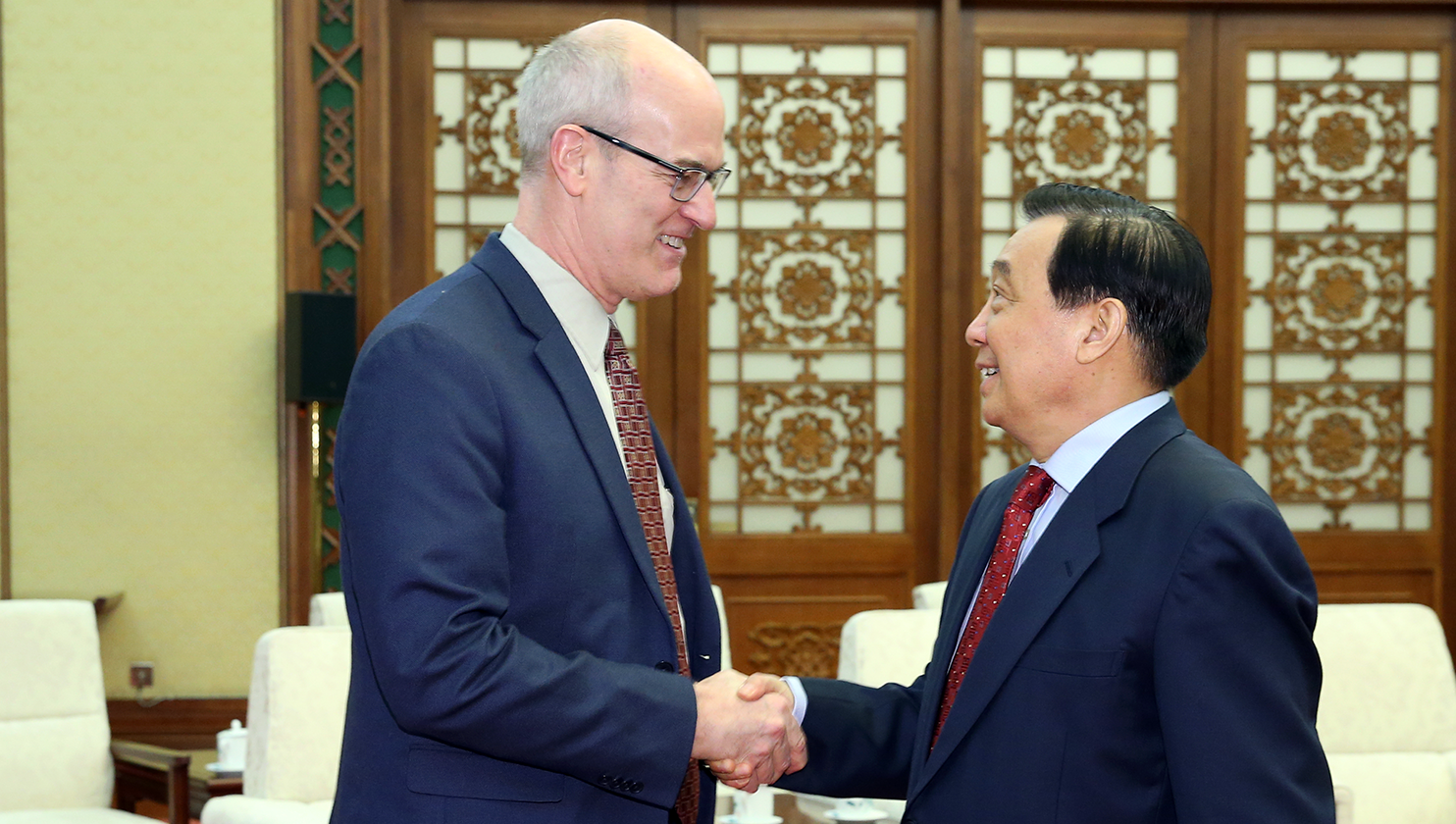
The National Committee regularly sets up briefings for members of Congress. We also send members of Congress to China, having arranged and escorted eight bipartisan delegations since 2006. The week-long study tours are designed to educate the congressmen and women about China through personal introductions to senior Chinese leaders and a range of informative site visits and meetings.
In his book, Rising Star: China’s New Security Diplomacy, Bates Gill, Freeman Chair in China Studies, Center for Strategic and International Studies, traces the shift in China’s security diplomacy to several factors, among them its concern with American primacy in the post-Cold War world, its vision for its own peaceful rise and the emergence of “new thinkers” in China who have provided the theoretical underpinnings for a more pragmatic approach.