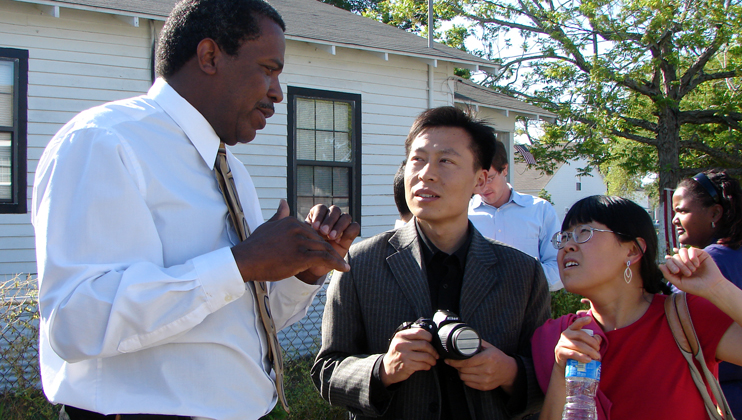
The National Committee, in partnership with the Institute for Sustainable Communities and with funding from the State Department's Bureau of Educational and Cultural Affairs, sponsored an exchange of emerging leaders from earthquake-affected areas of Sichuan and post-Katrina areas of the Gulf Coast designed to exchange ideas about sustainability in long-term post-disaster recovery.
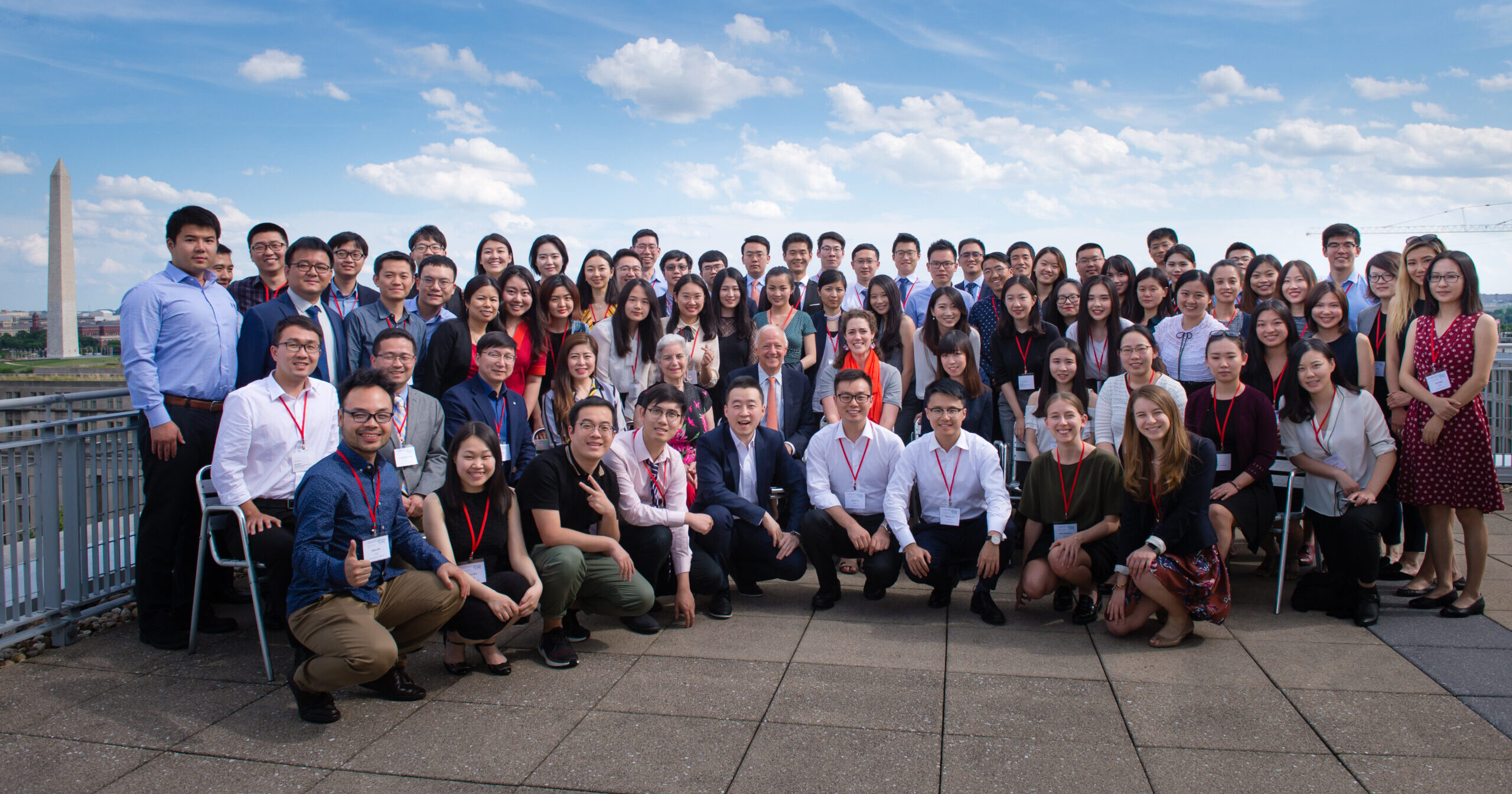
The U.S. Foreign Policy Colloquium is an exclusive four-day program designed to provide 75 of the best and brightest Chinese graduate students studying at colleges and universities from across the United States a deeper and more nuanced understanding of the complex forces that shape American foreign policy and inform the U.S.-China relationship.
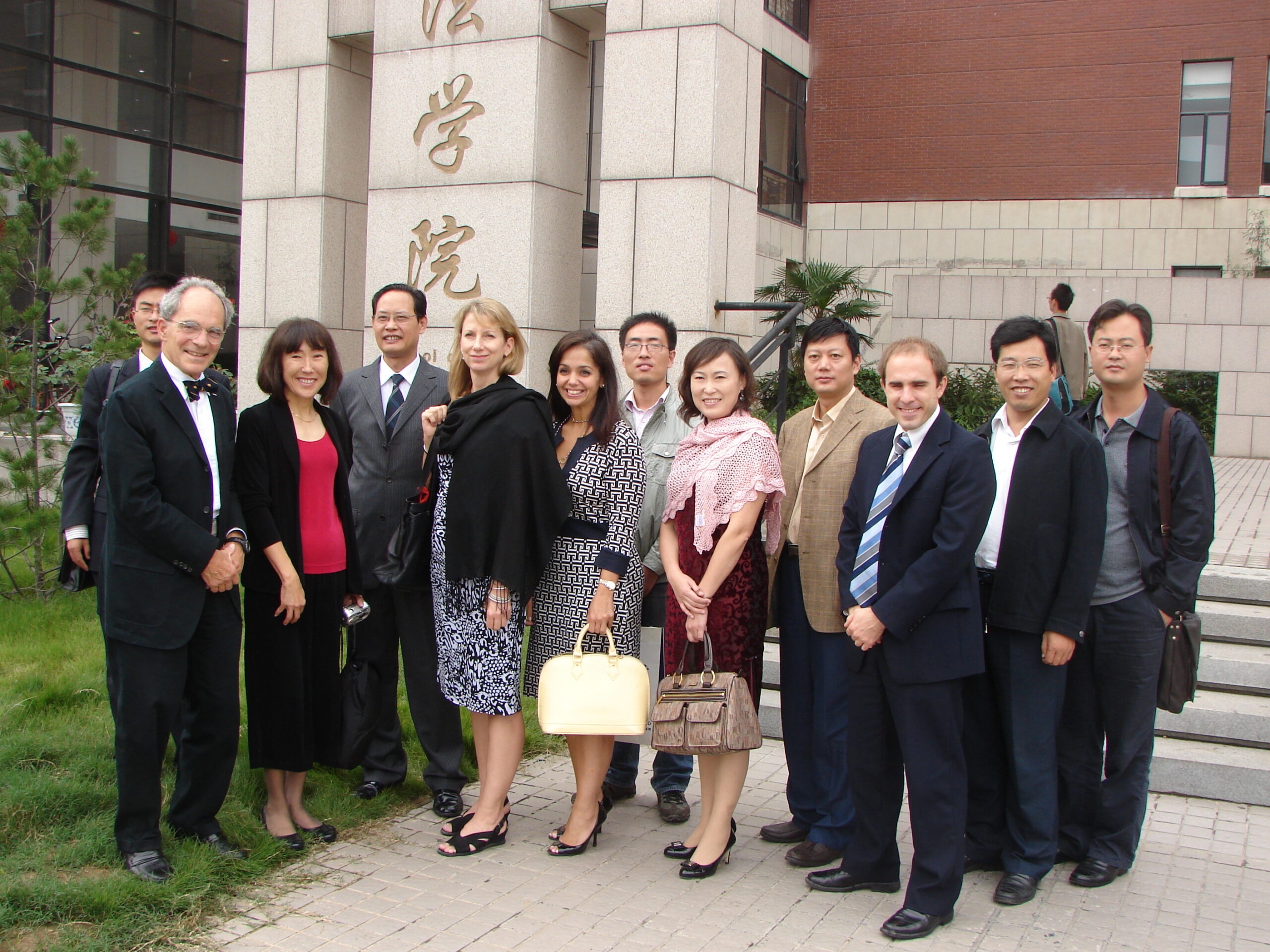
The Land Use and Public Participation program provided opportunities for sharing the successes and challenges of the American and Chinese experiences of public participation in land use decisions. Government officials, scholars, and experts in both countries benefited from this timely program, which was conducted in three phases in 2009.
The National Committee hosted a roundtable discussion with Ambassador Wu Jianmin, former Chinese ambassador to France and former president of the China Foreign Affairs University on September 9, 2009, in New York. Ambassador Wu was joined by Ambassador Lü Fengding, former Chinese ambassador to Sweden; Dr. Zhang Yuyan, director of the Institute of World Economics and Politics at the Chinese Academy of Social Sciences; and Ms. Xu Heming, deputy director of the Foreign Ministry Department of Policy Planning.
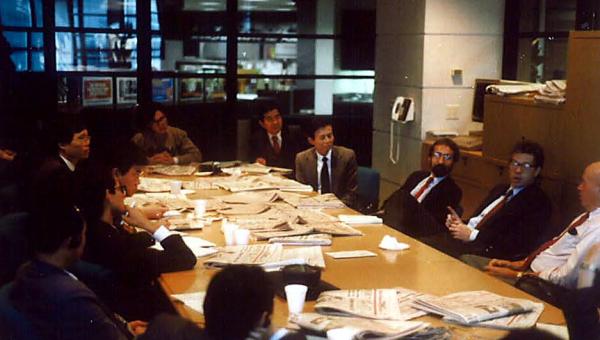
In 1989, trade and economic issues played a major role in the United States' relationship with Southeast Asia, and people from that region desired a better understanding of how the American economy functioned and affected the global economy. This was the first regional program carried out by the National Committee: the delegation was comprised of 11 Cantonese-speaking journalists from the PRC, Hong Kong, Singapore, and Malaysia.
In the summer of 1996, the National Committee brought together a group of NGO experts from the United States, Canada, and Thailand to meet with NGO leaders in Greater China.
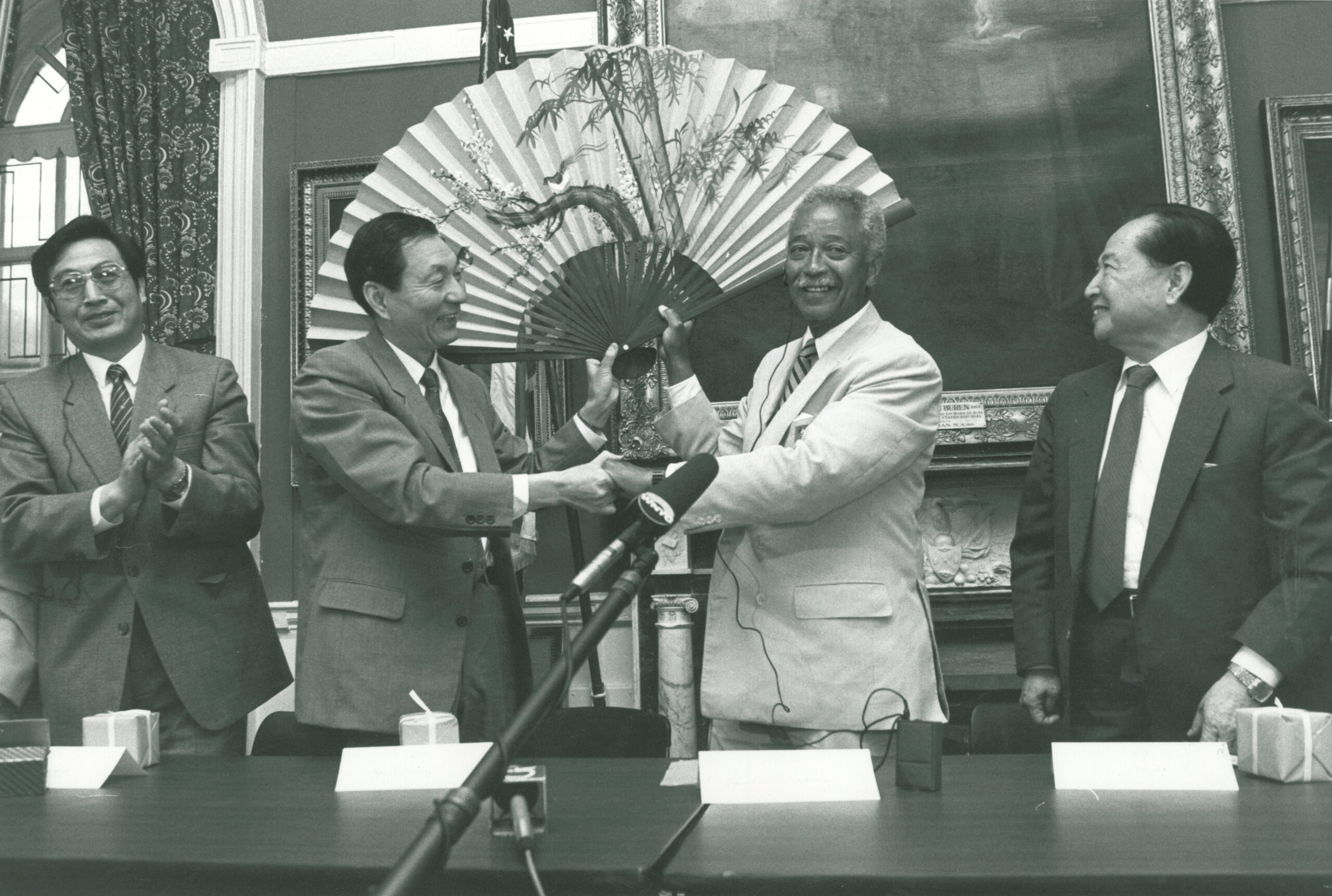
In 1990, the National Committee organized a visit by a high-level Chinese delegation to the United States. Led by Shanghai mayor and future PRC premier Zhu Rongji, the delegation included former Shanghai mayor Wang Daohan and the mayors of Wuhan, Chongqing, Taiyuan, Hefei, and Ningbo — six of China's largest and most outward-looking cities.
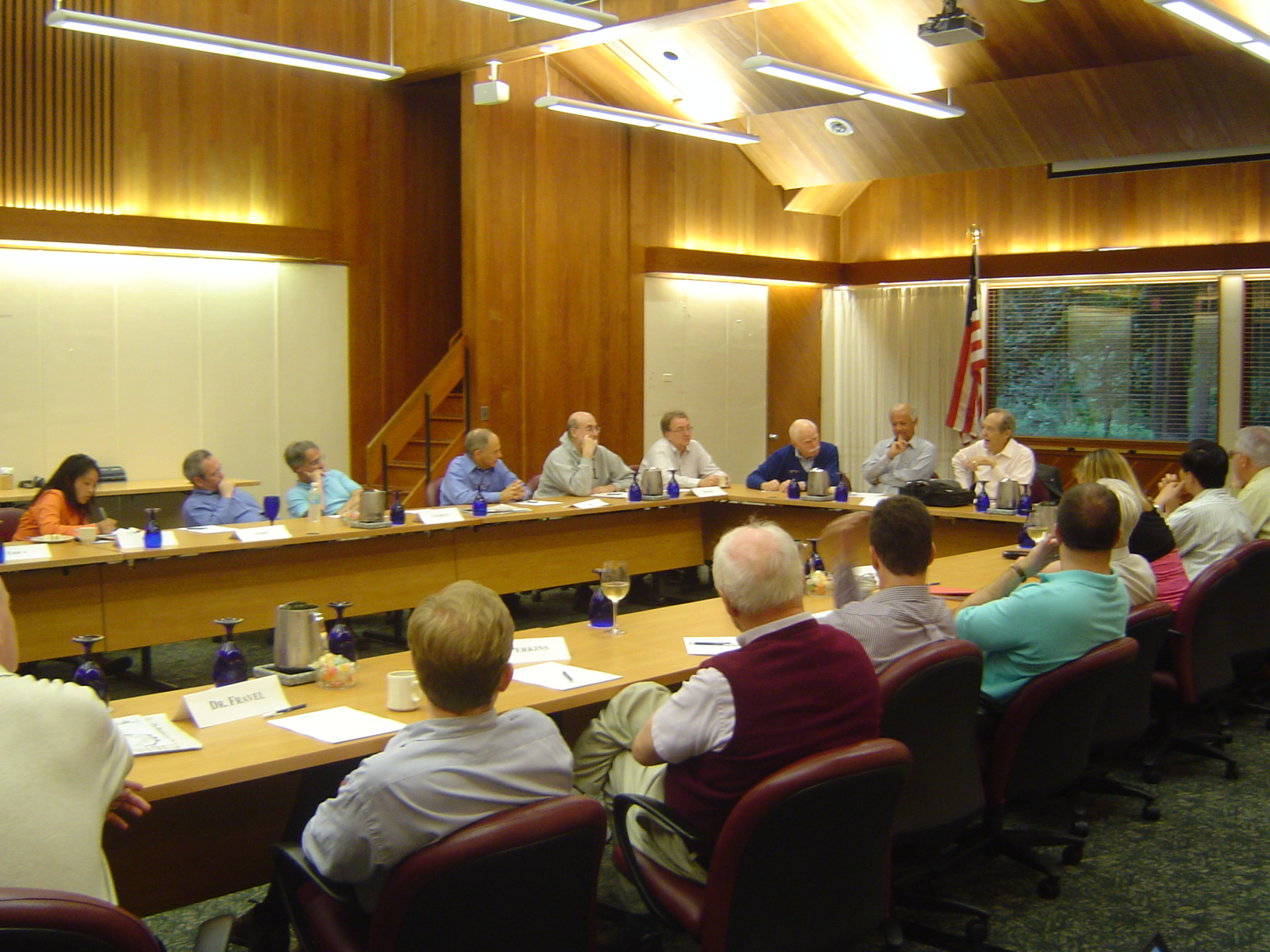
In July, 2008, the National Committee brought together 30 of the best minds on various aspects of China and several specialists in other areas for a synergistic, cross-cutting look at some of the major challenges facing China and the United States and what the best policies might be to enhance cooperation and ameliorate conflict over […]
The Public Intellectuals Program Fellow Database is a free-to-use directory of China experts and specialists. The database is intended to connect journalists, policymakers, educators, and the interested public with China specialists who can provide insight, background, and deeper knowledge about China and U.S.-China relations. Our Public Intellectuals Program (PIP), launched by the National Committee in […]
Six editors of American foreign policy and political affairs journals traveled to Beijing, Shanghai, and Taipei to gain a greater understanding of Chinese foreign policy issues.