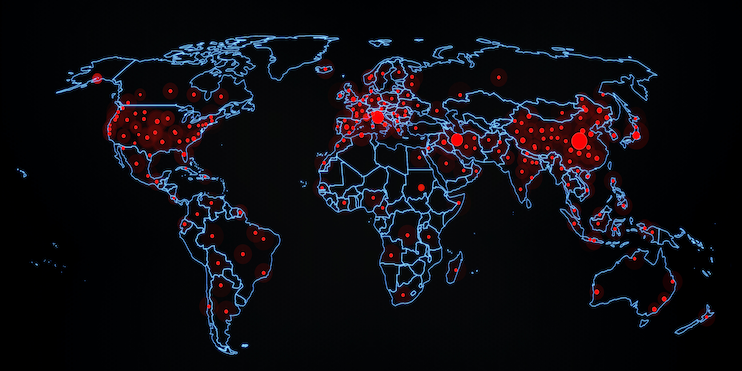
In its fight against the coronavirus, should the United States consider China an enemy or a partner? Graham Allison discussed prospects for cooperation in the fight against the coronavirus.
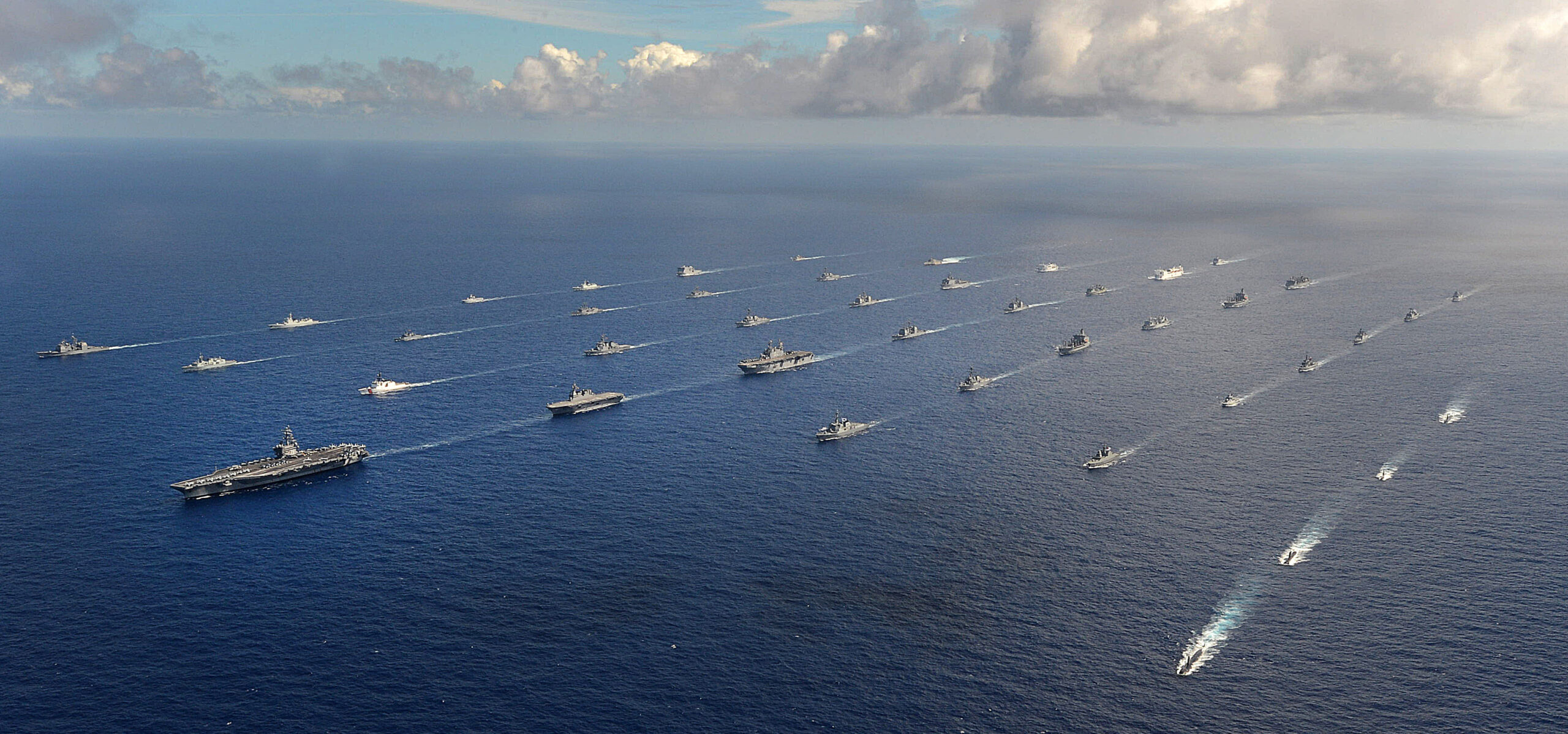
How should we think about the U.S.-China military and security relationship? The commander of the U.S. Indo-Pacific Command, Admiral Philip S. Davidson, presents his views.
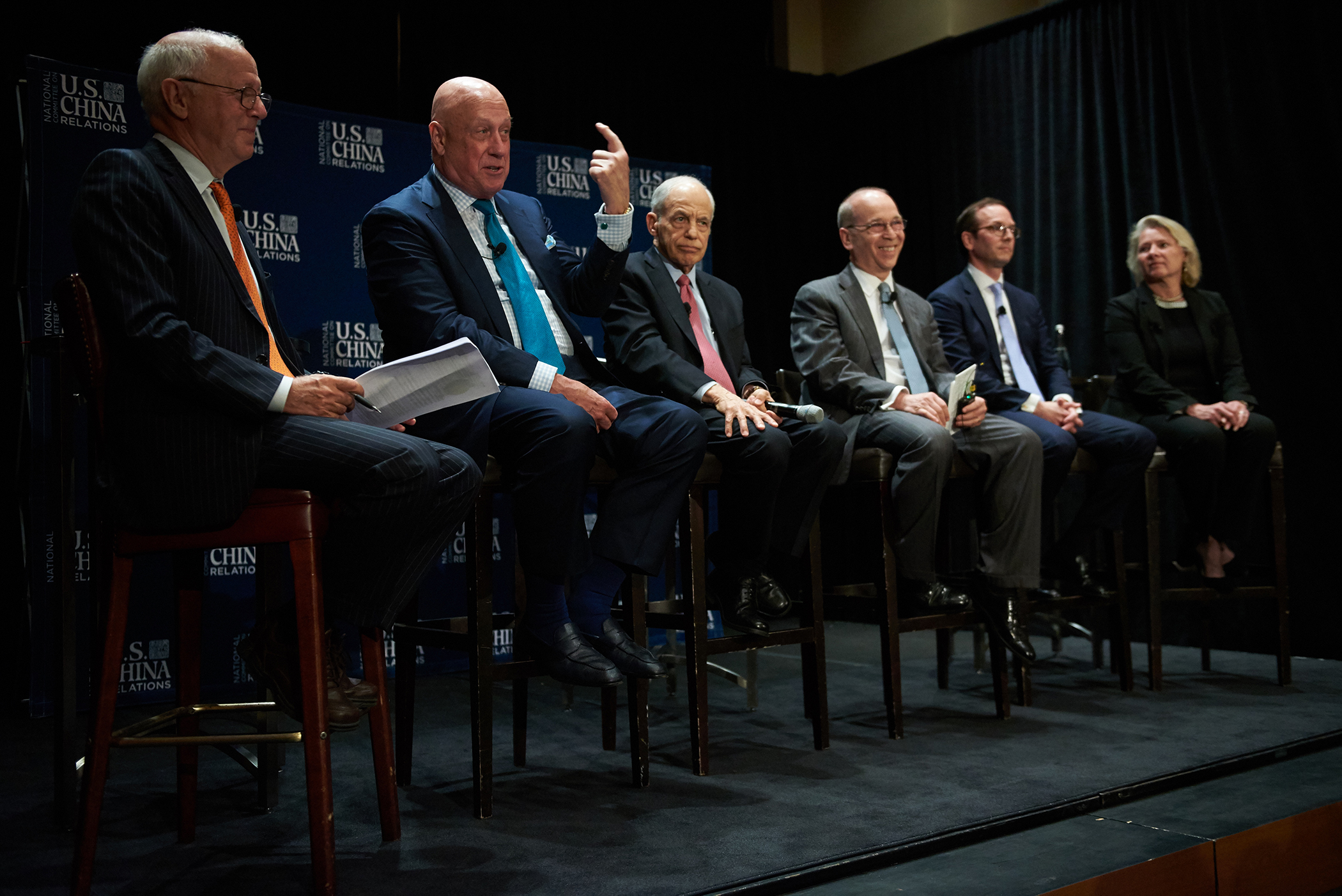
A discussion focusing on how the United States and China have moved from strategic cooperation to strategic competition, and what can be done to help ease bilateral tensions.
To commemorate the 40th anniversary of the announcement of the establishment of diplomatic relations between the United States and the People’s Republic of China, the National Committee convenes a panel of experts who have been instrumental to building the relationship.
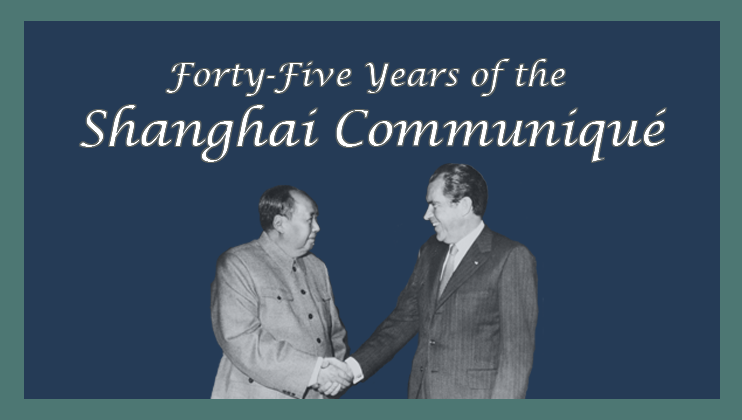
Former U.S. Ambassadors to China Winston Lord and Stapleton Roy discuss the significance of the Shanghai Communiqué.
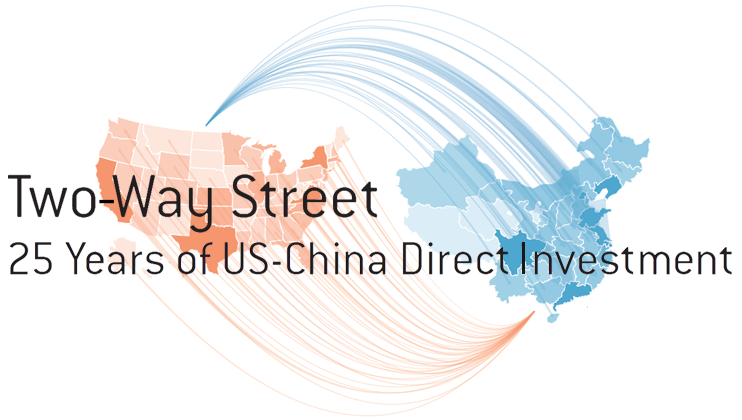
A new report that unveils the full picture of two-way direct investment flows between the United States and China in the past 25 years.
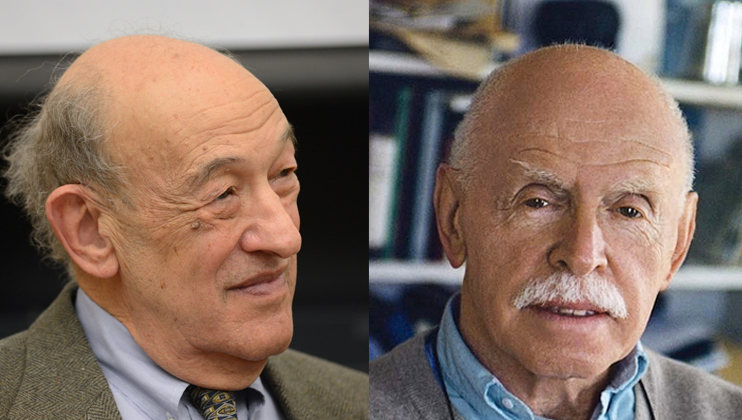
Jerome Cohen and Ezra Vogel reflect on normalization and how academic study of China has changed over the course of their careers.

The United States-China relationship is at a critical juncture as both countries undergo great changes. At a National Committee program on April 10, Scott Kennedy and He Fan discussed the tensions and challenges in the relationship and offer policy recommendations from their new report, part of the Initiative on China and Global Governance project. Professors […]
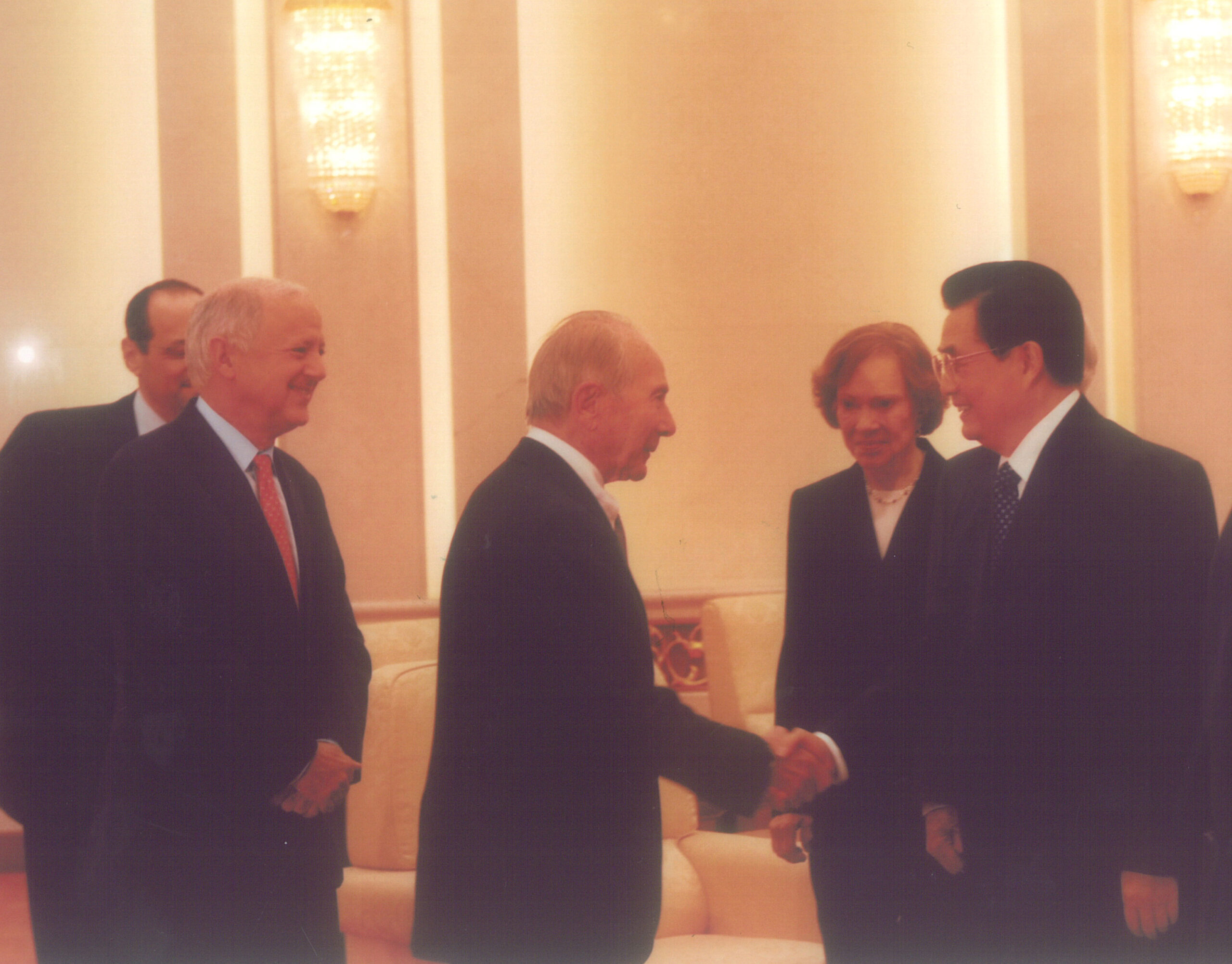
In mid-January a two-day seminar was held in Beijing that brought together many of those who were involved in the 1979 normalization of relations between China and the United States. The Chinese People’s Institute of Foreign Affairs (CPIFA) and the Kissinger Institute on China and the United States were the sponsors, the National Committee was a co-sponsor and the U.S. Embassy in Beijing and the Chinese Ministry of Foreign Affairs provided support.

Throughout the year, the Committee runs a variety of programs to educate Congressional staffers. These include “study group” briefings and a new congressional staff fellowship launched in 2026. Our regular staff delegations are currently paused while MECEA-supported travel to the P.R.C. remains suspended.