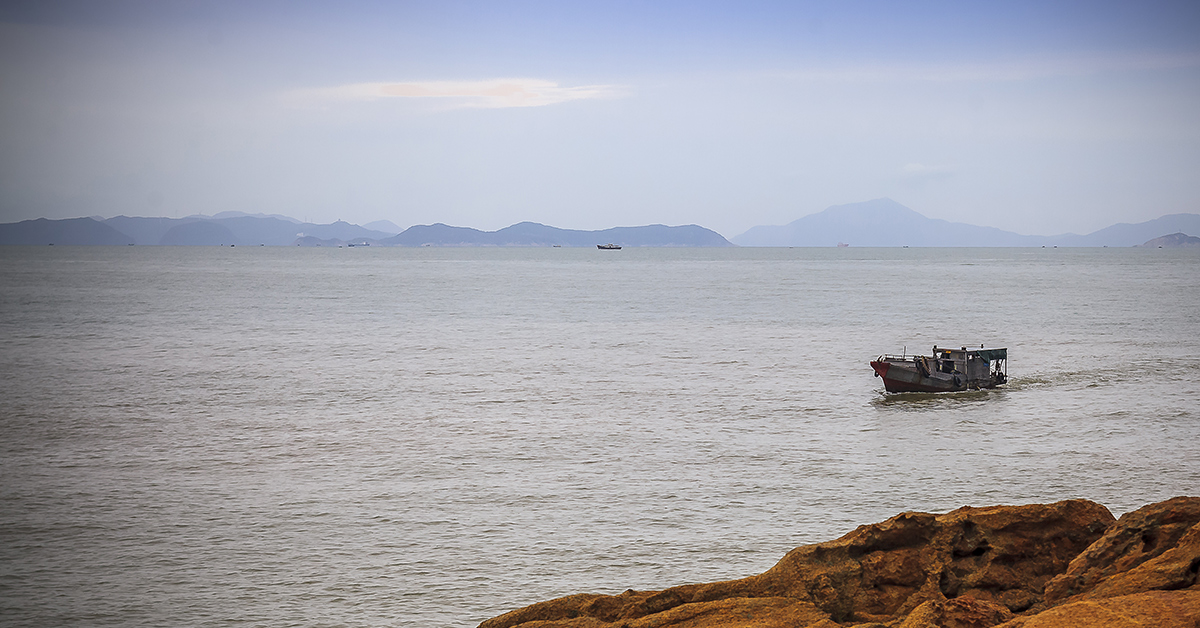
American and Chinese experts examine the implications of international maritime law and South China Sea disputes for U.S.-China relations.
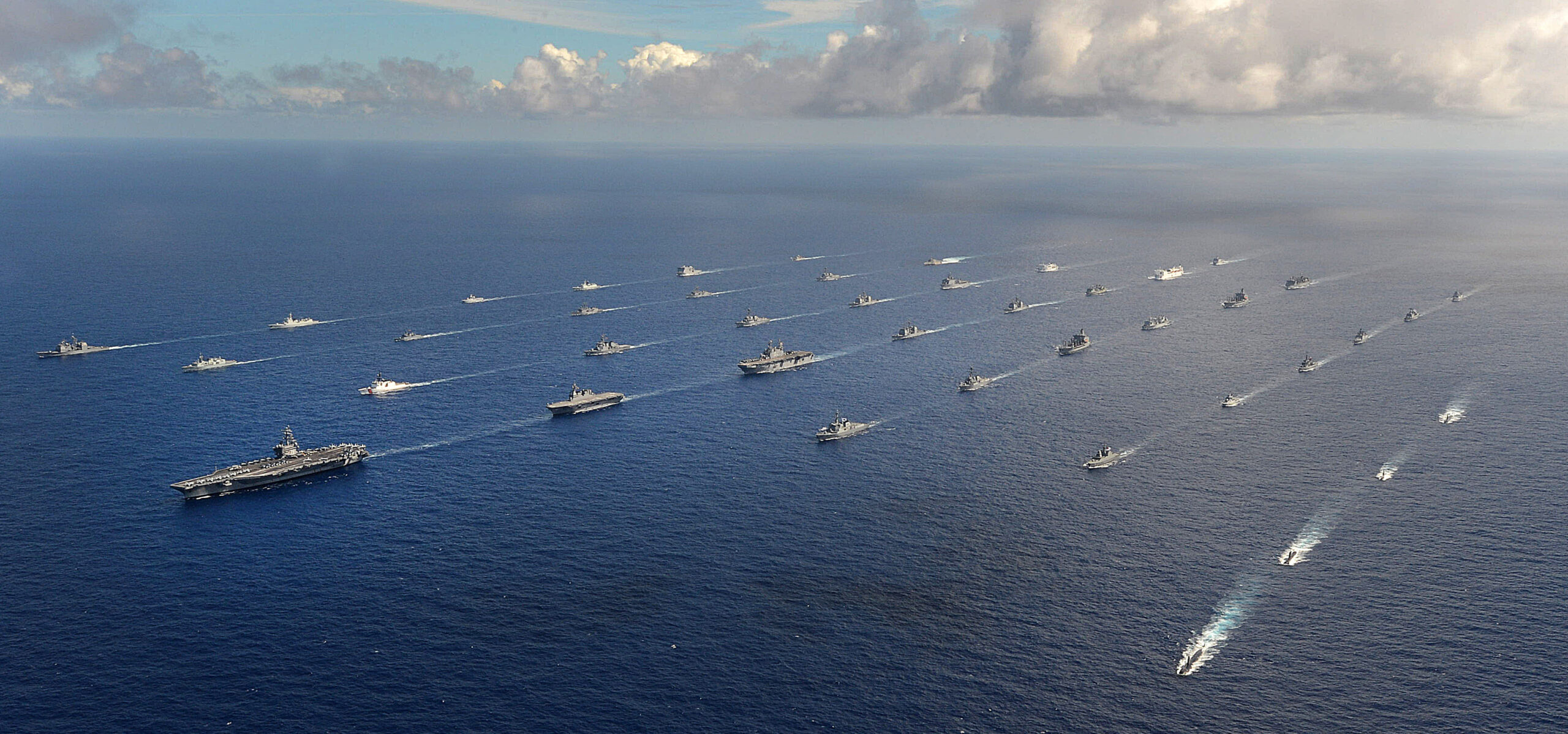
How should we think about the U.S.-China military and security relationship? The commander of the U.S. Indo-Pacific Command, Admiral Philip S. Davidson, presents his views.
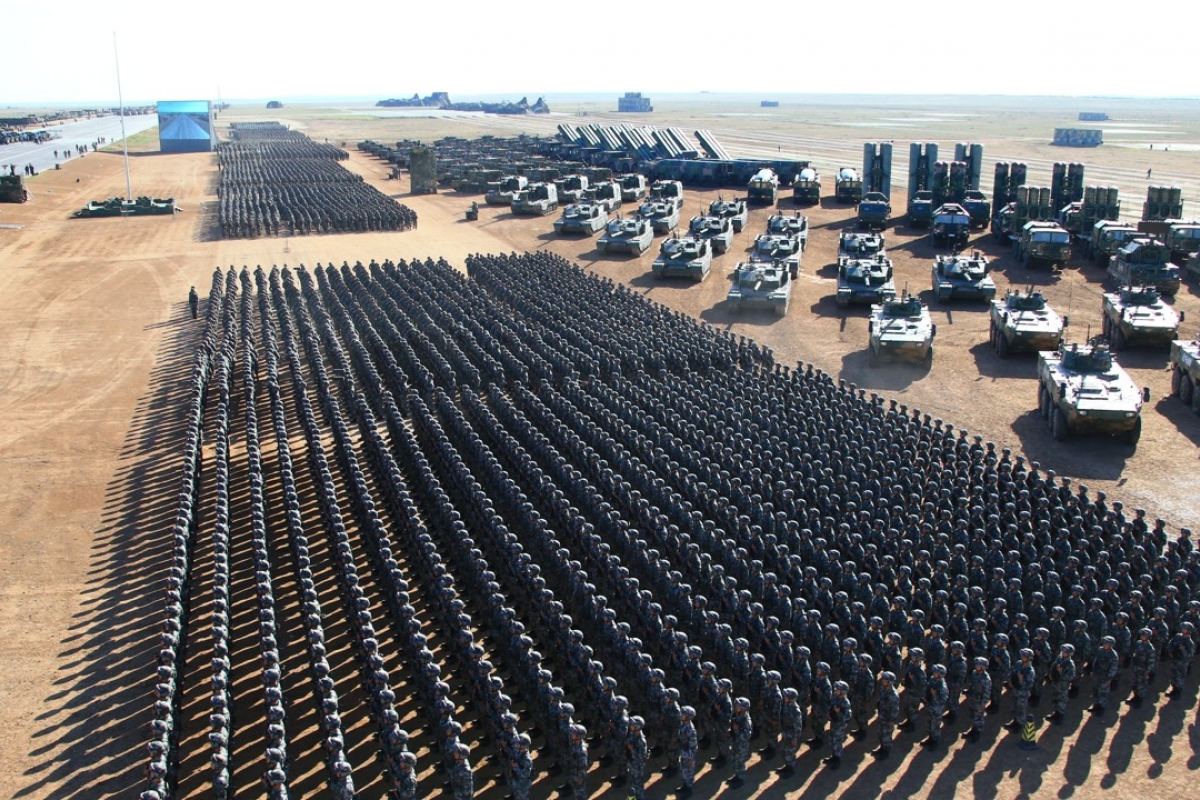
M. Taylor Fravel examines the security threats China has faced over the past 70 years, investigating how and why the country’s defense strategies have changed.
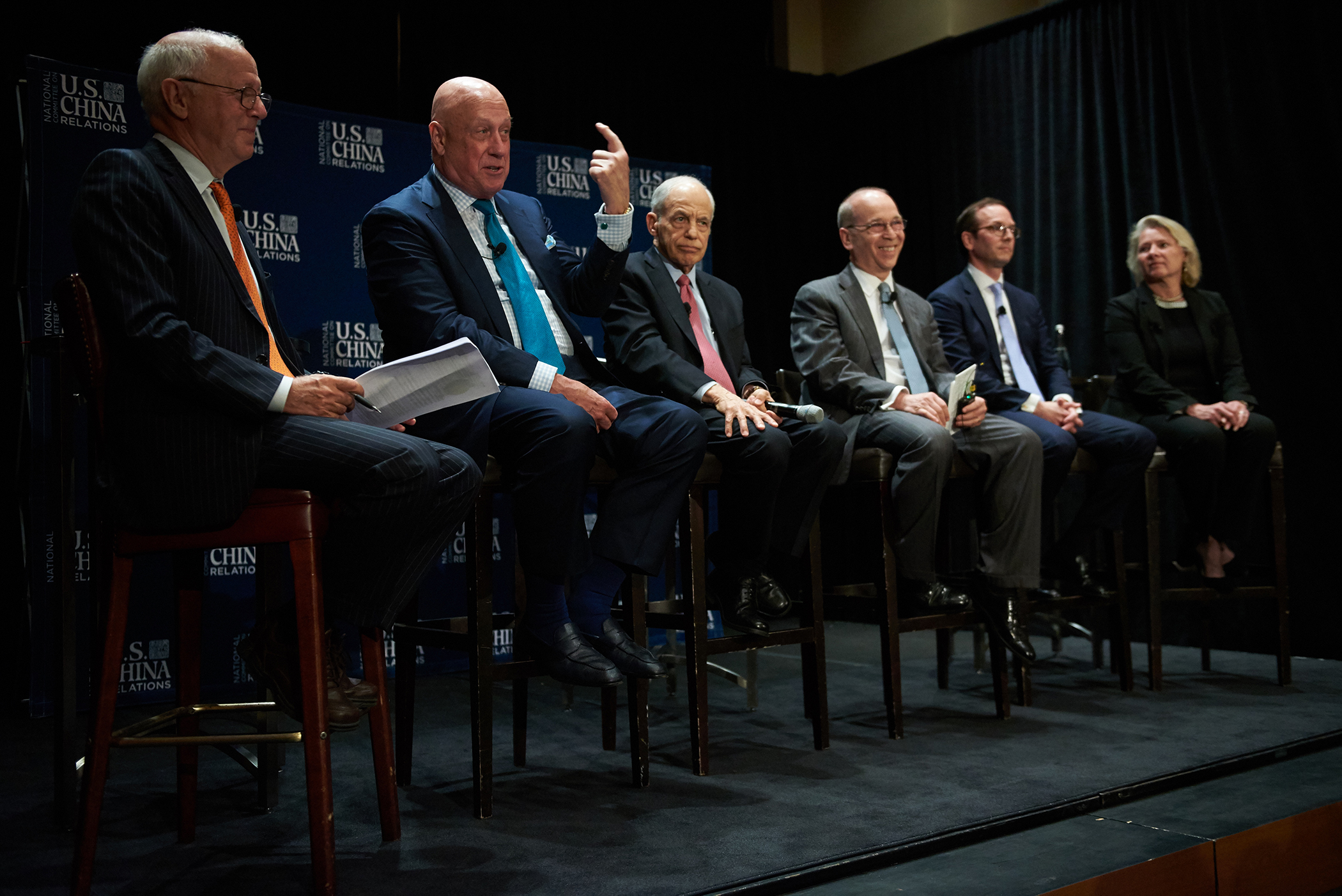
A discussion focusing on how the United States and China have moved from strategic cooperation to strategic competition, and what can be done to help ease bilateral tensions.
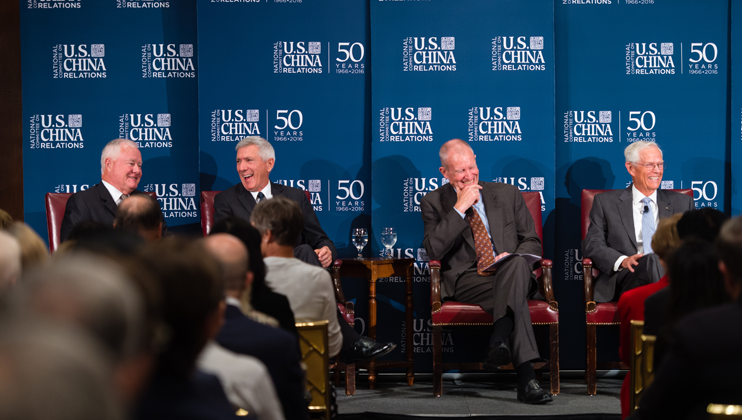
Four former commanders of the U.S. Pacific Command (PACOM), in conversation with National Committee President Stephen A. Orlins, reflect on their time as leaders of the largest military command in the world.
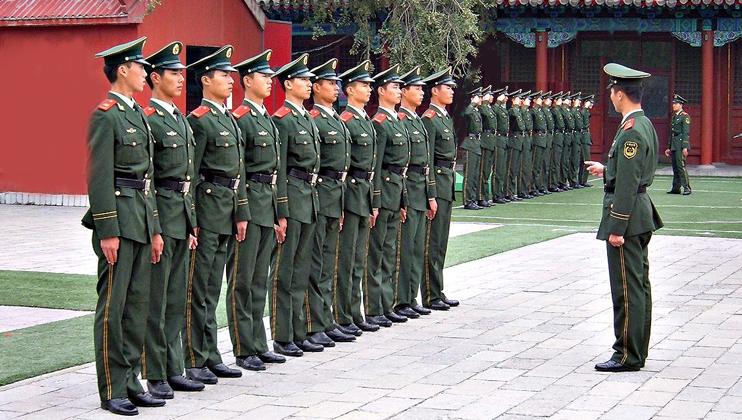
Dr. Sheena Greitens discusses China's internal security spending and what it says about contemporary China.
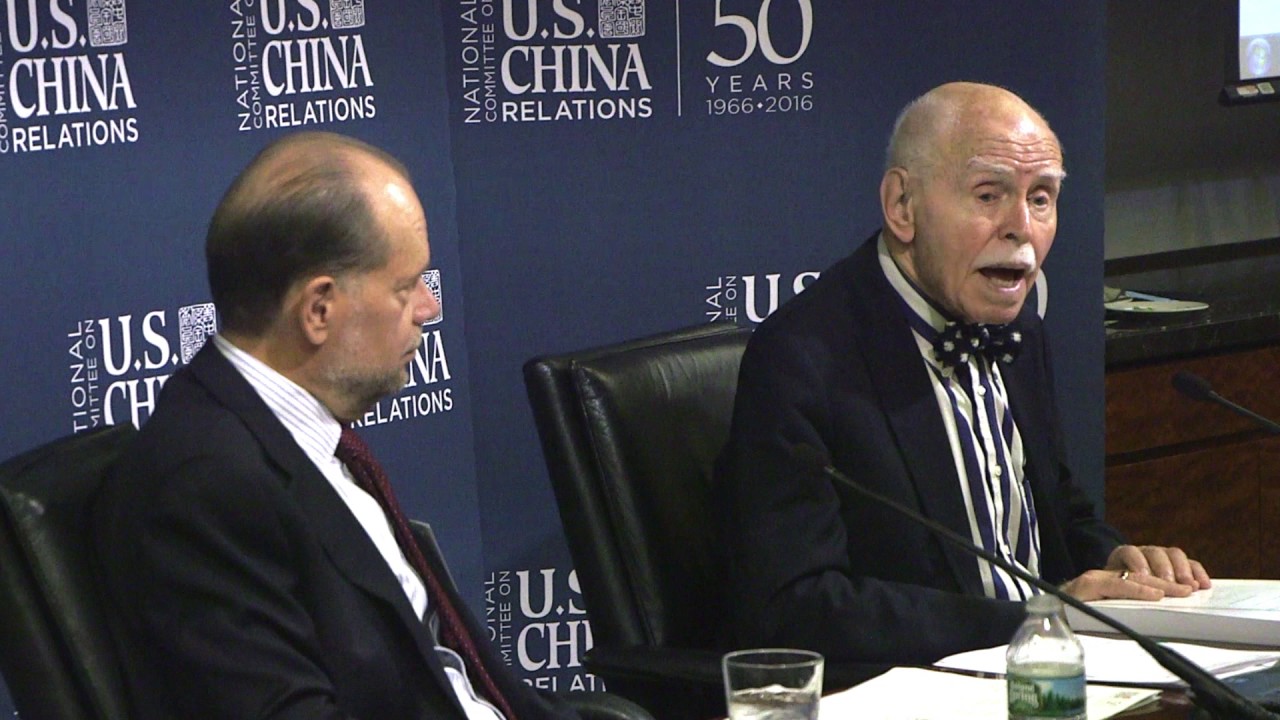
Professor Jerome A. Cohen discusses the political, legal, and economic ramifications of the present situation in the South China Sea, and analyzes the drivers of geopolitical competition in the region.

Dr. David M. Finkelstein, vice president of CNA, presents an overview of U.S.-China military relations – its current state, projected future, and essential developments.
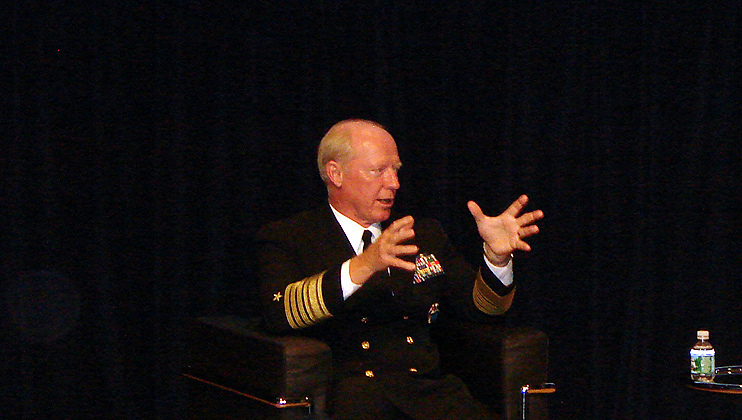
In early March, China’s central government proposed a defense budget for 2011 that increases military spending nearly 13 percent over 2010. As China expands and modernizes its armed forces, it holds an increasingly influential position in Asian-Pacific security. China has been a crucial player in the Six Party Talks on North Korea’s nuclear proliferation during […]