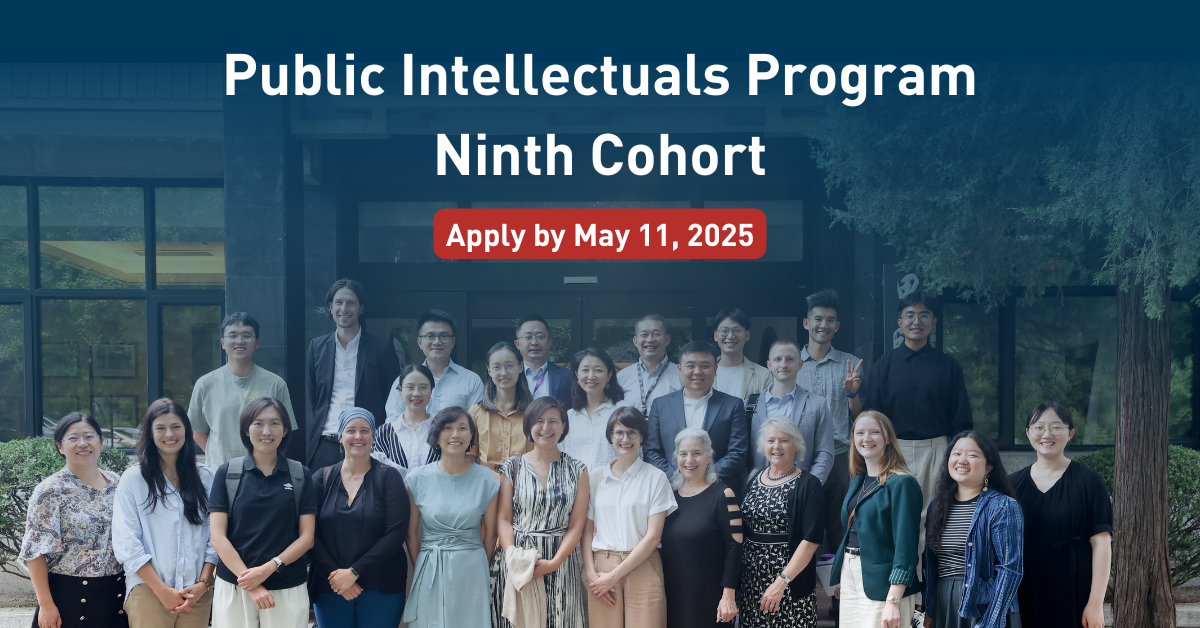
The National Committee on United States-China Relations is pleased to announce the ninth round of its Public Intellectuals Program (PIP). Generously funded by the Andrew Carnegie Foundation, formerly Carnegie Corporation of New York, this two-year program is designed to identify outstanding members of the next generation of American China scholars and specialists, enrich their understanding […]
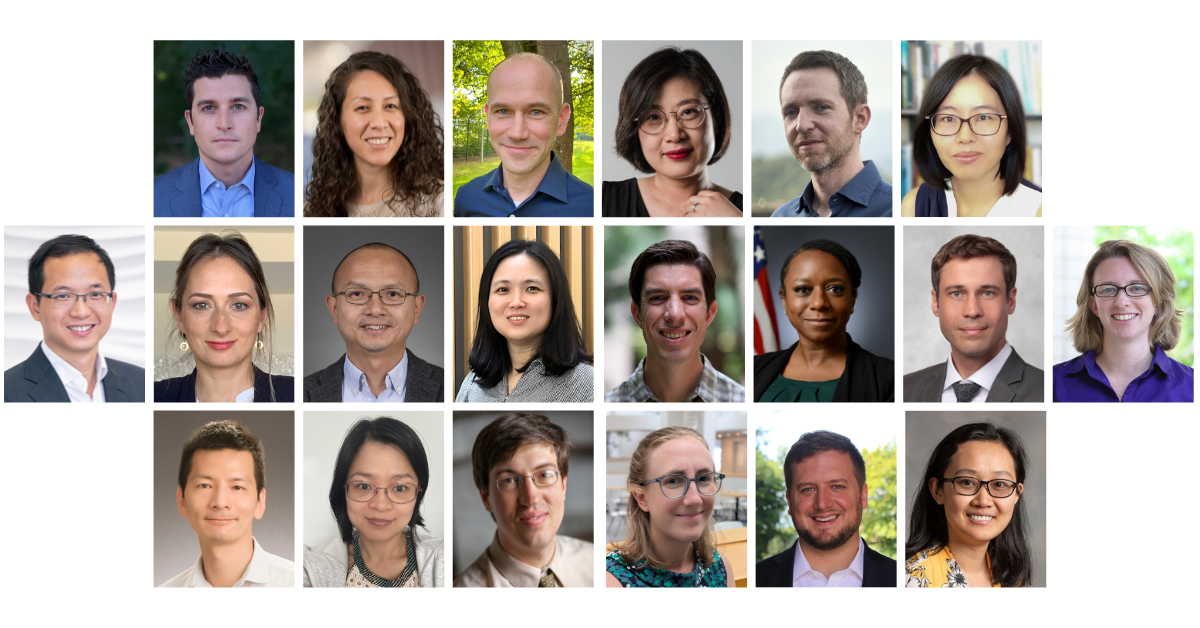
The Public Intellectuals Program (PIP), launched by the National Committee in 2005, is dedicated to nurturing the next generation of China specialists who, in the tradition of earlier China hands, have the interest and potential to venture outside of academia to engage with the public and policy communities.
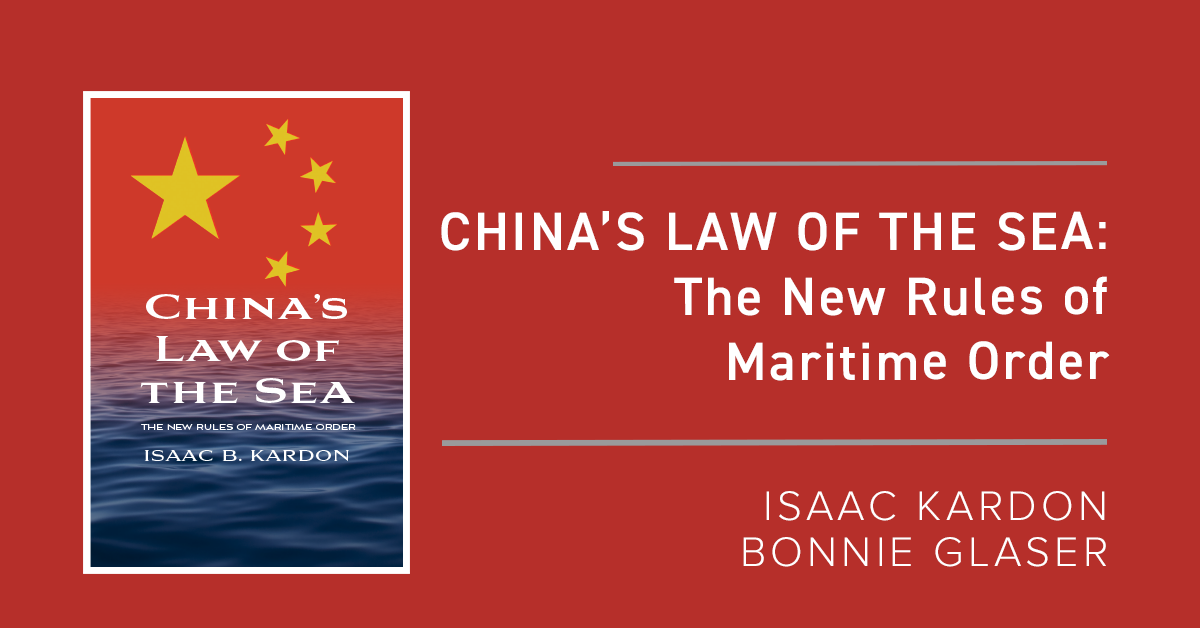
Isaac Kardon discusses China’s influence on “the rules” of the international law of the sea with Bonnie Glaser.
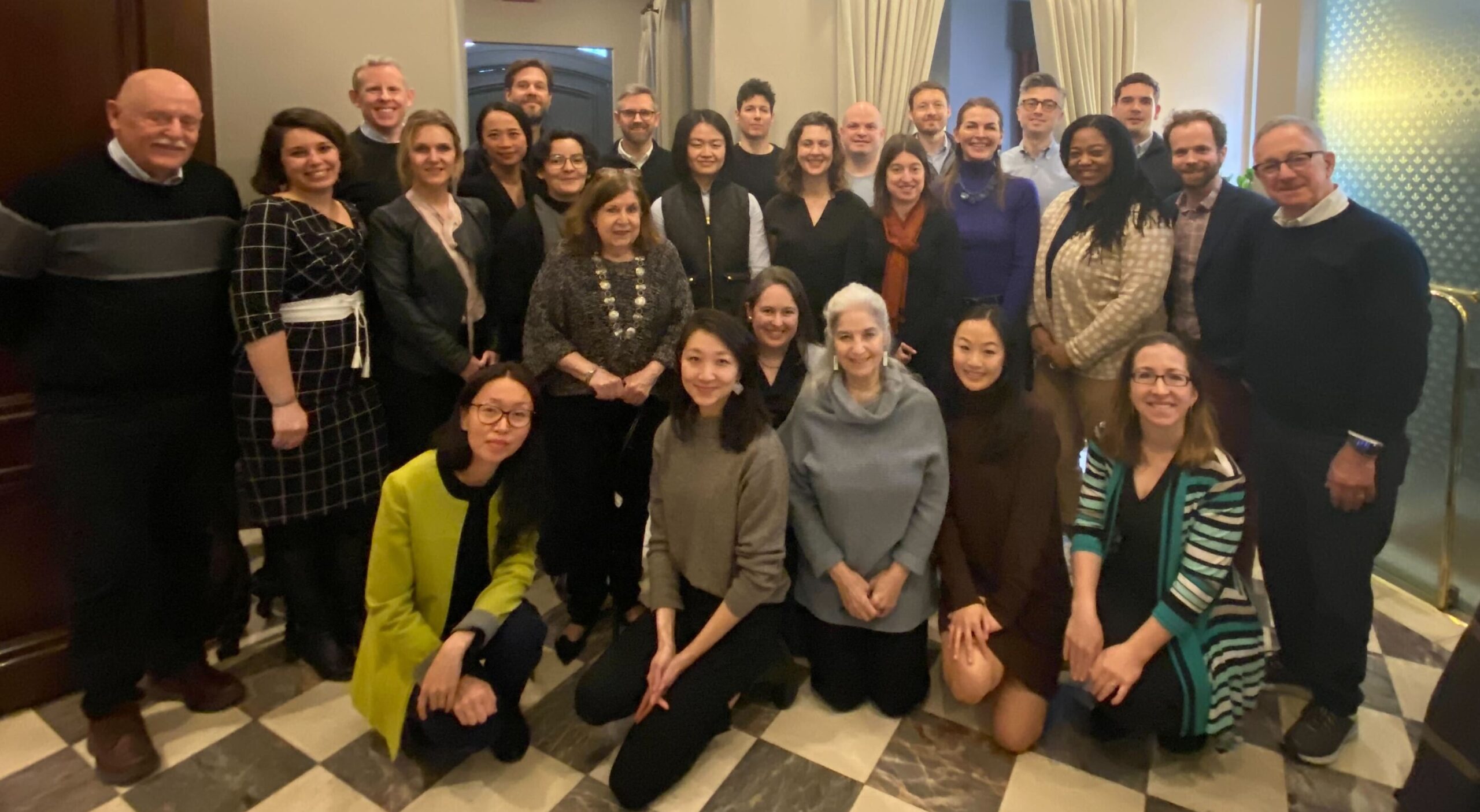
From March 9 to 12, the full seventh cohort of the National Committee’s Public Intellectuals Program (PIP) met for its final time in Washington, D.C. The main goals of this multi-day workshop were to bring the fellows up-to-date on U.S. government policies vis-à-vis China and to introduce them to new officials implementing those policies; to […]
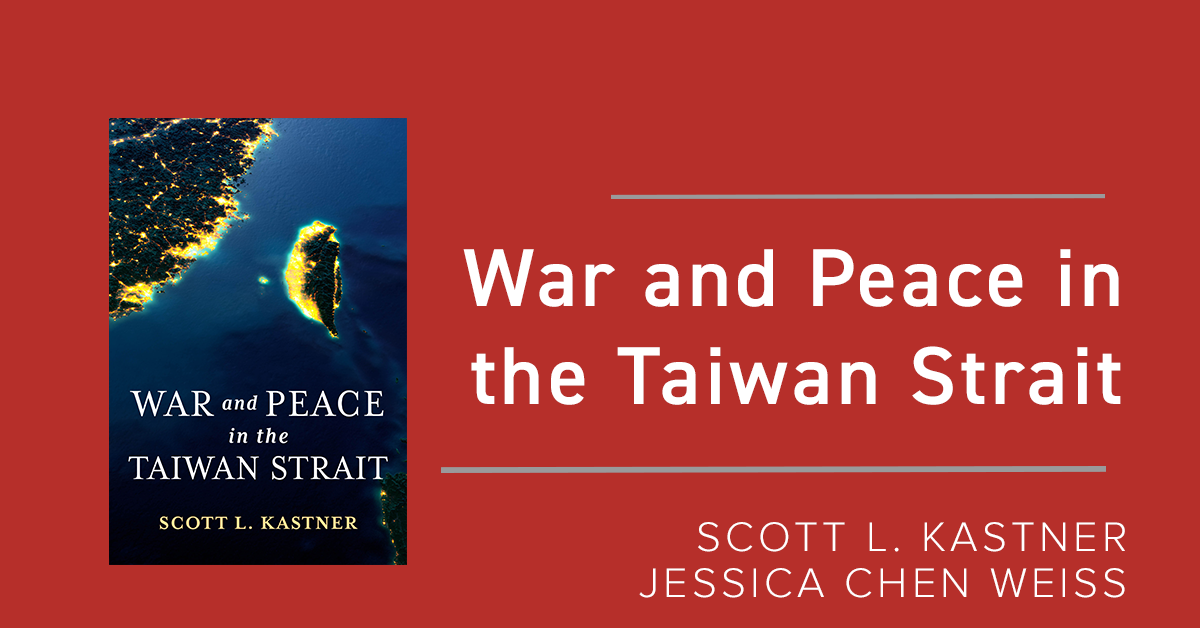
Scott Kastner discusses factors that could lead to war in the Taiwan Strait, and how hostilities may be avoided
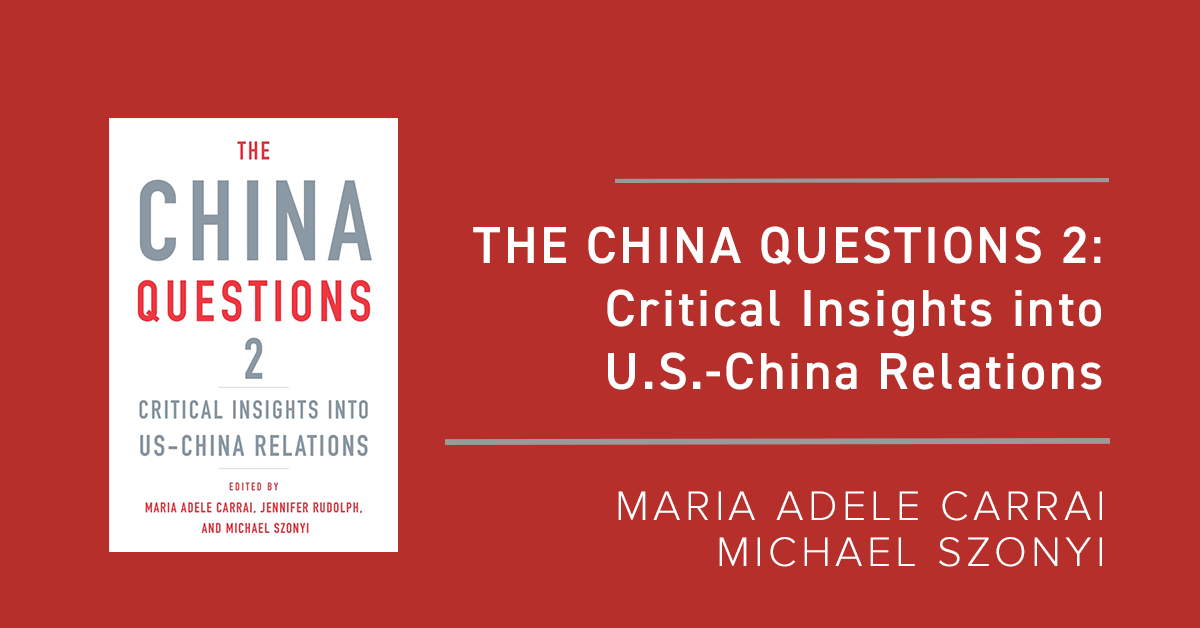
Maria Adele Carrai and Michael Szonyi discuss the implications of China’s global status for the U.S.-China relationship.
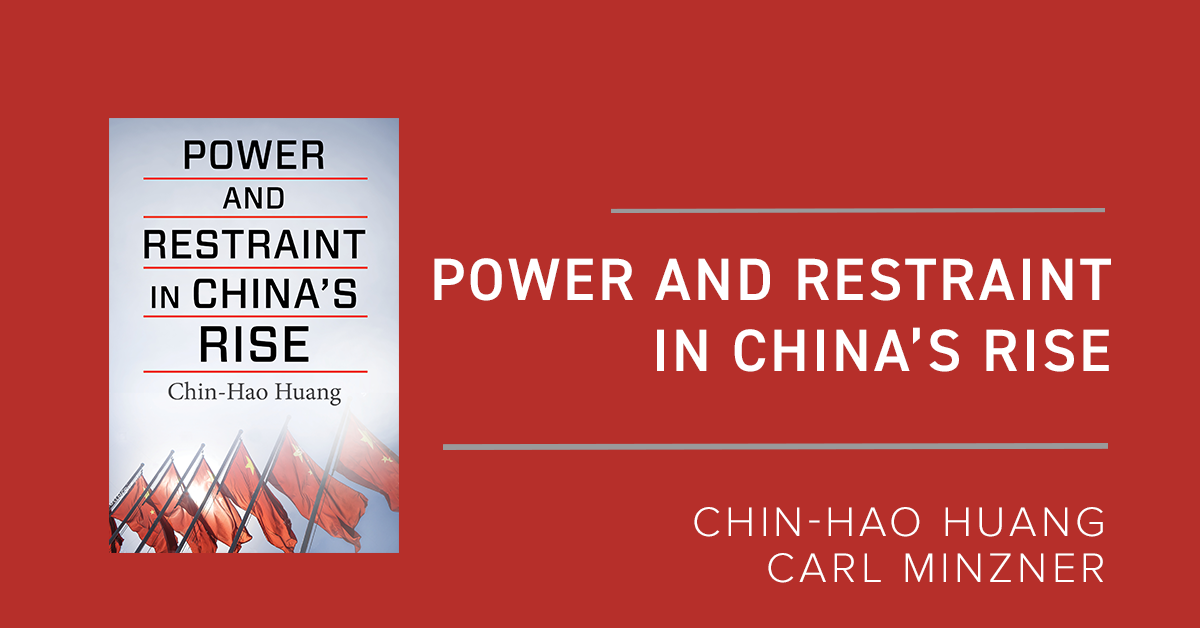
Chin-Hao Huang argues that China’s desire for legitimacy and acceptance constrains its exercise of coercive action vis-à-vis its Southeast Asian neighbors.
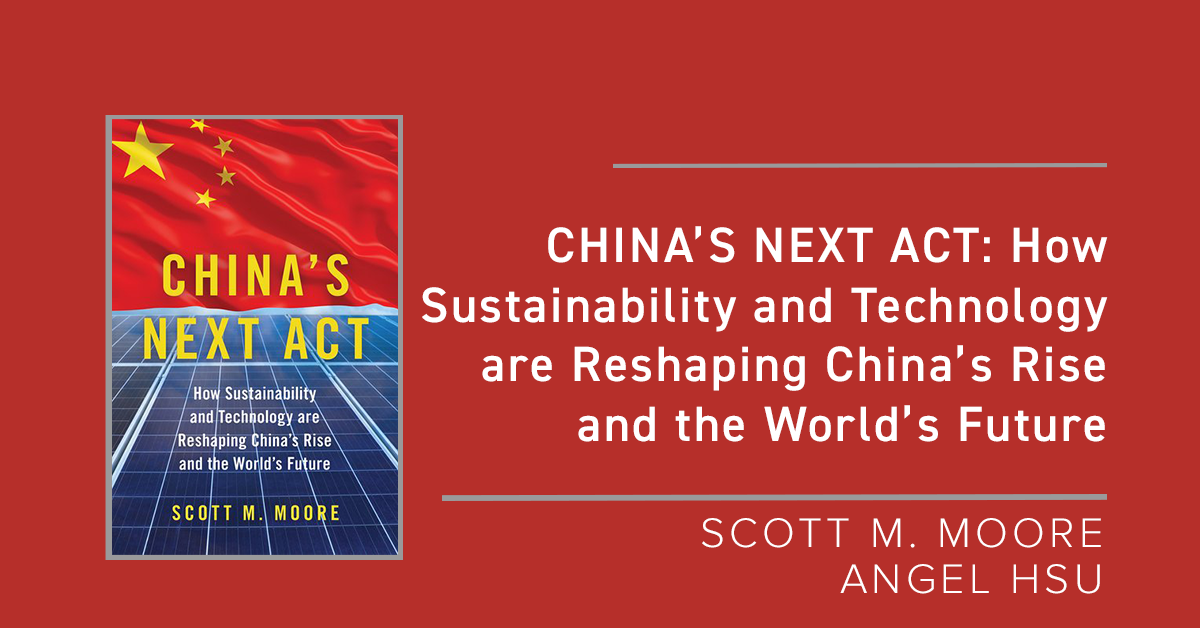
Scott Moore explores how shared ecological and technological challenges force the world to re-envision China’s rise and its role in the world.
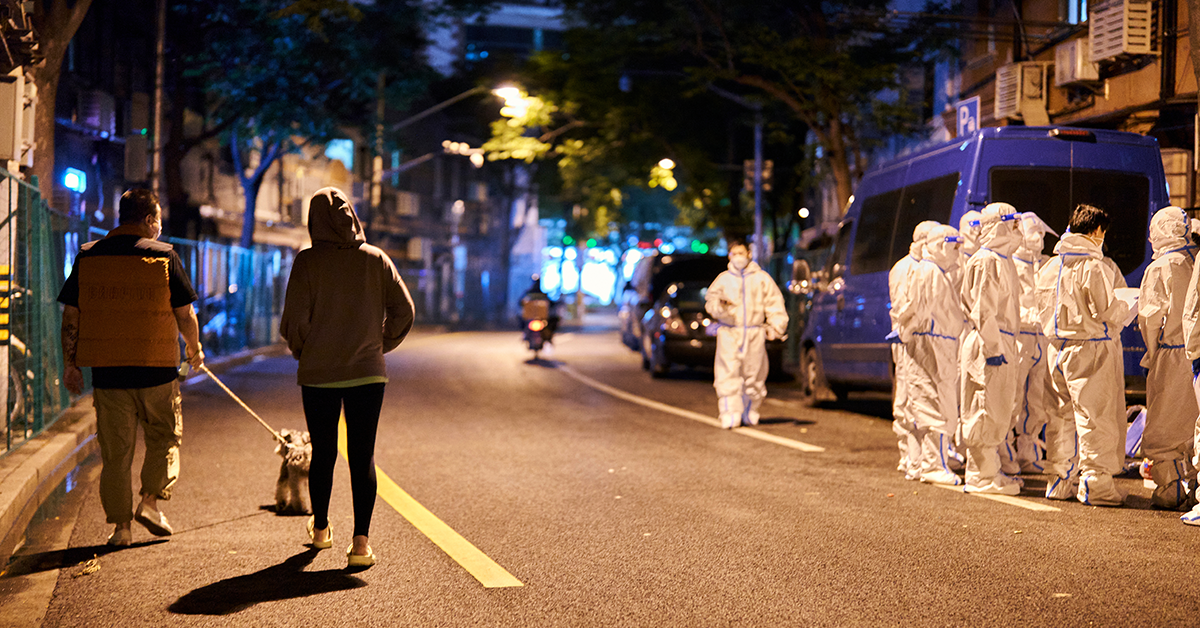
Silvia Lindtner and Melinda Liu discuss the impact of China’s zero-COVID strategy on China and the world.
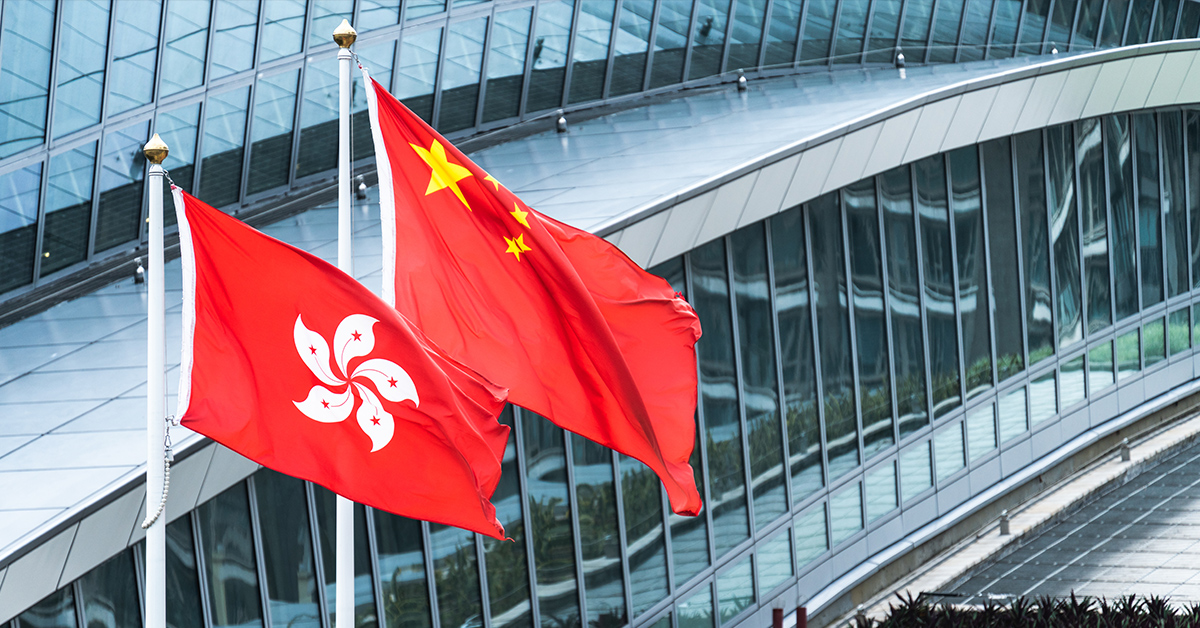
By examining language, politics, and identity, three experts explore the relationship between Hong Kong and Mainland China over the past 25 years.