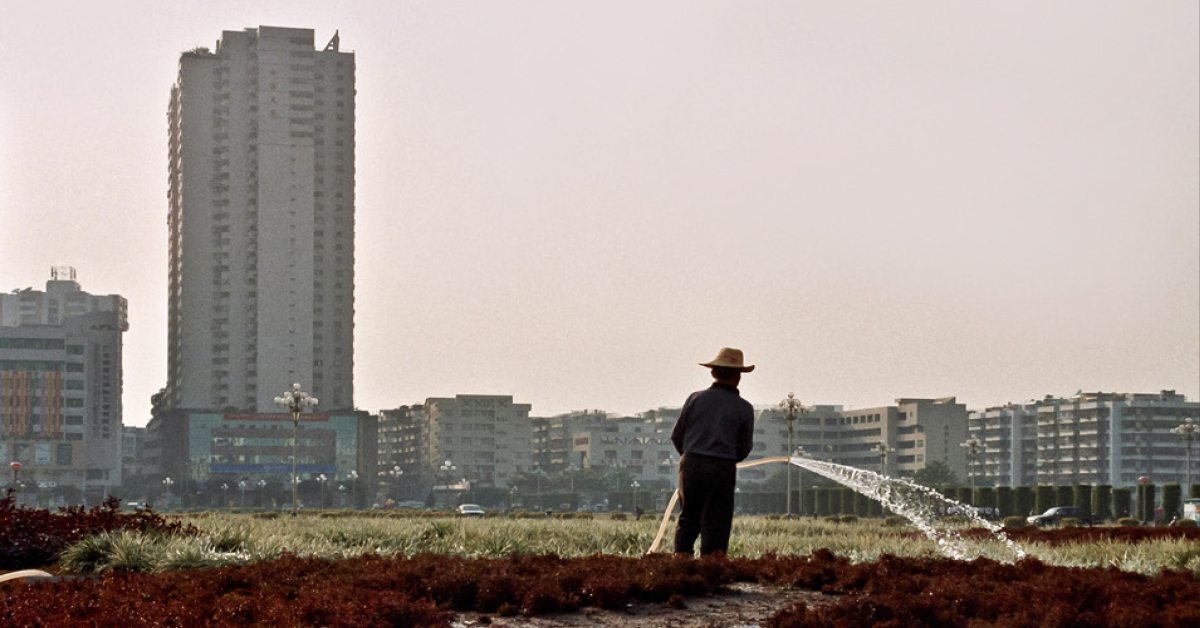
China’s economic transformation of the last few decades has depended on an unskilled and poorly educated workforce; what will happen if the demands of the changing economic environment require better education and greater skills?
In a Chinese-language conversation, American experts on China Robert Daly, June Mei, and Matt Sheehan share insights about how Sino-American relations have affected the lives of Americans, how perceptions of China are changing as a result, and how both societies can learn to have a more realistic and nuanced understanding of the other.
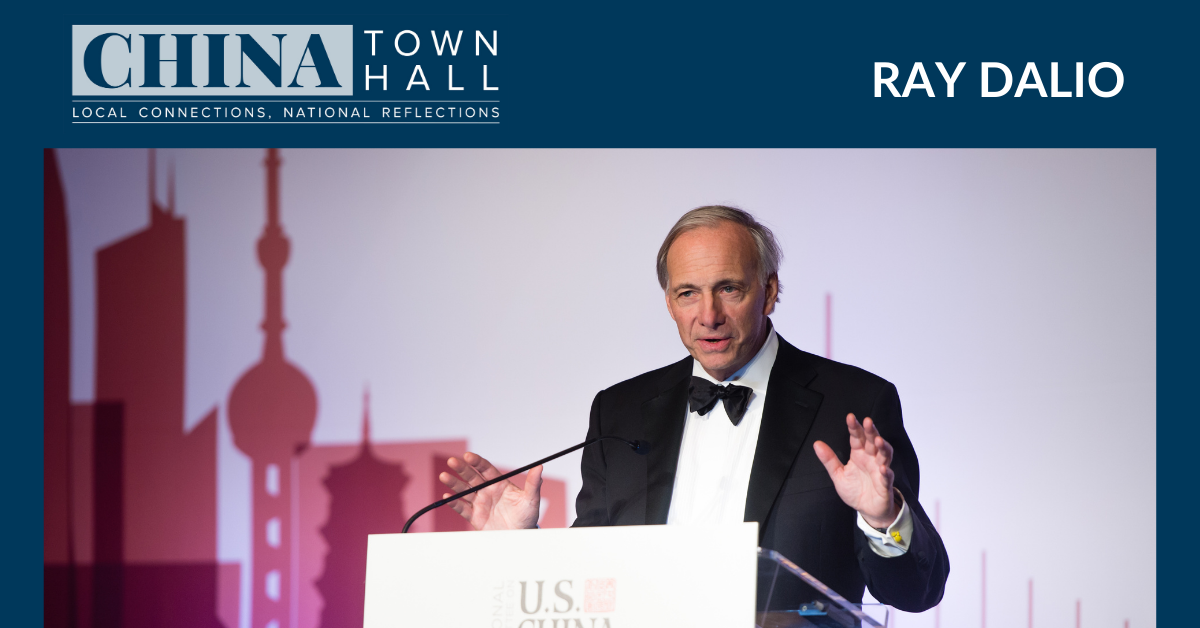
Renowned investor, philanthropist, and New York Times best-selling author Ray Dalio discusses today's most important issues, and the critical roles the United States and China play in an era of rapid global change.
Yuen Yuen Ang argues that corruption does not automatically hinder economic growth.
Michael Schuman describes how China’s view of itself through history informs its perceptions of its position in the world today.
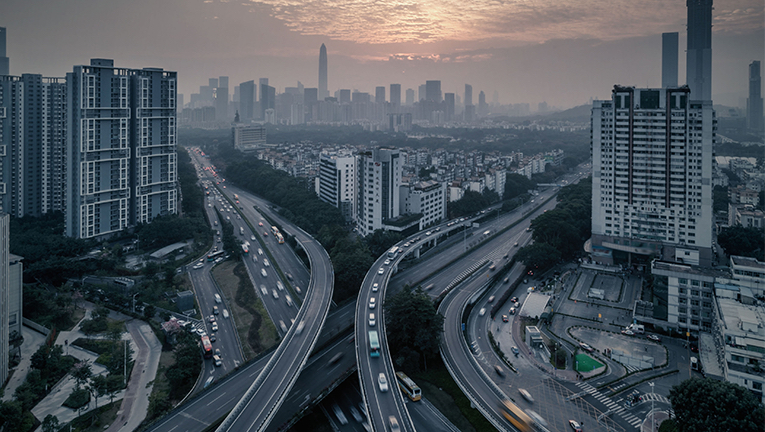
Thomas Fingar and Jean Oi discussed some of the major challenges confronting China’s leaders today, and what their decisions may portend for the future.
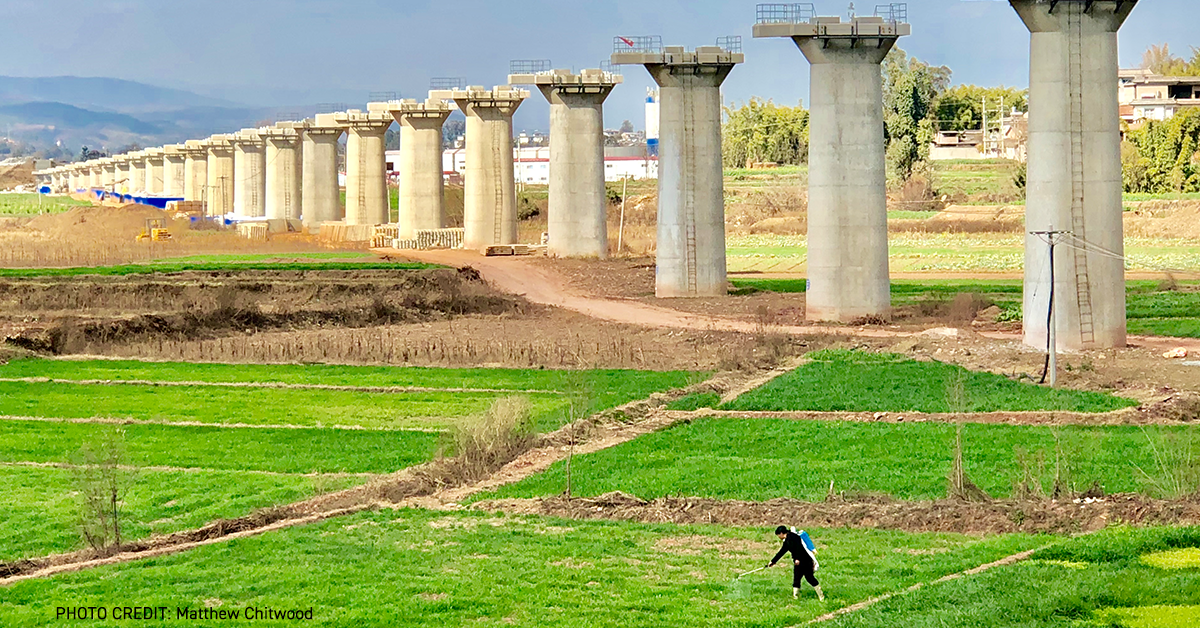
A discussion of some of the challenges and achievements in China’s rural development.
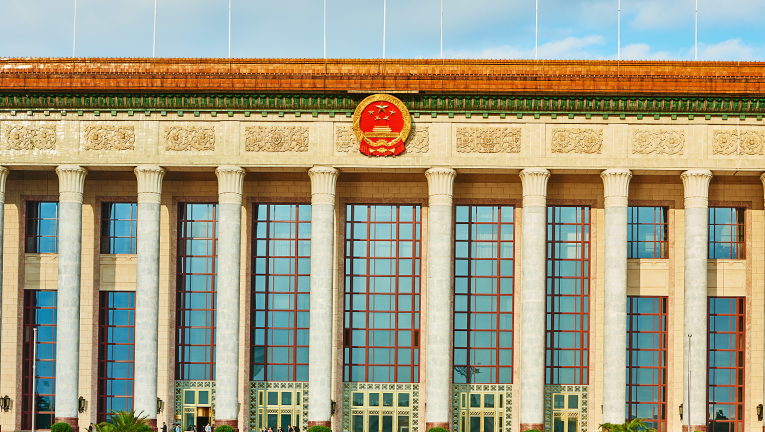
Mr. Jude Blanchette, Center for Strategic and International Studies, and Ms. Sun Yun, Stimson Center, reflected on the 2020 Two Sessions (Lianghui).
Professor David Zweig examined China’s efforts to promote “reverse migration,” focusing on the Thousand Talents Plan, and discussed American responses.
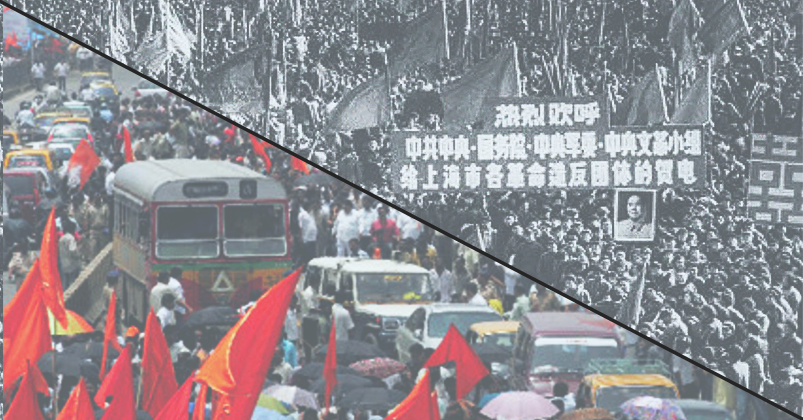
Mark Frazier examines contemporary debates in both metropolises regarding informal housing, displacement of inner-city residents, job scarcity, and questions of unequal citizenship in historical context.